
Coimbatore
08048068921

Products

6814772a5d263414004dd4a4 Card 2

product image
Checkweighers Optional Features

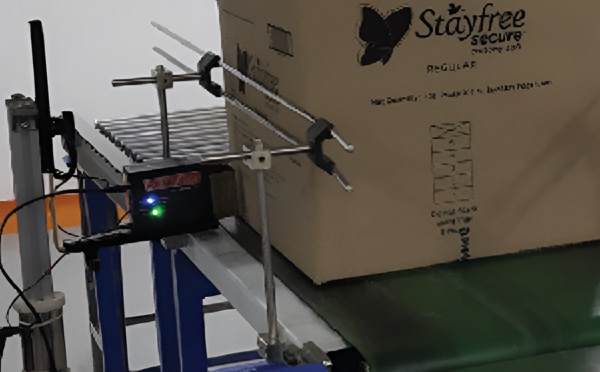
For an inline printer integration to work successfully, three distinct systems must communicate seamlessly in real time: The Product Detector (The “Eye”): As a product (like a bottle, carton, or pouch) moves down the conveyor, it passes a photoelectric sensor. This sensor instantly registers the leading edge of the product and sends a signal to the printer's controller. The Speed Sync (The Encoder): If a conveyor speeds up or slows down even slightly, text sprayed at a fixed rate will either stretch out or bunch up. To prevent this, a rotary shaft encoder is mounted to the conveyor drive. The encoder reads the exact mechanical speed of the belt and tells the printhead precisely how fast to fire its microscopic ink droplets. The Print Execution: Combining the positional data from the sensor and the speed data from the encoder, the printhead fires the ink droplets across a precise millimeter-distance air gap onto the moving product. Key Technical Advantages No Production Bottlenecks: Products do not need to pause to be labeled or stamped. The integration prints crisp data at speeds often exceeding hundreds of units per minute. Microsecond Accuracy: The hardware handshake between the sensor and the printer ensures that the text lands in the exact same spot on every single item, maintaining a clean, professional retail look. Centralized Data (PLC Connectivity): Modern integrations connect directly to a central industrial computer (PLC). When a manager changes the product recipe or batch code on the main touchscreen, the printer automatically updates its text layout without someone needing to re-program the printer individually. Common Applications Inkjet integrations are critical in fast-moving consumer goods (FMCG) sectors where traceback tracking is legally mandated: Pharmaceuticals: Printing anti-counterfeit serial numbers, QR codes, and expiry details directly onto medicine cartons. Food & Beverage: Spraying “Best Before” dates onto milk cartons, plastic pouches, or snack bags immediately after they are filled. Chemicals & Cosmetics: Marking batch tracking codes onto the bottoms or shoulders of shampoo bottles, cleaning jugs, and personal care packaging.

6814772a5d263414004dd4a4 Card 2

product image
Checkweighers Optional Features

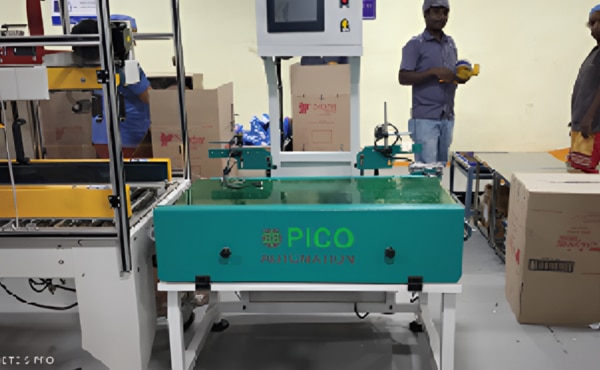
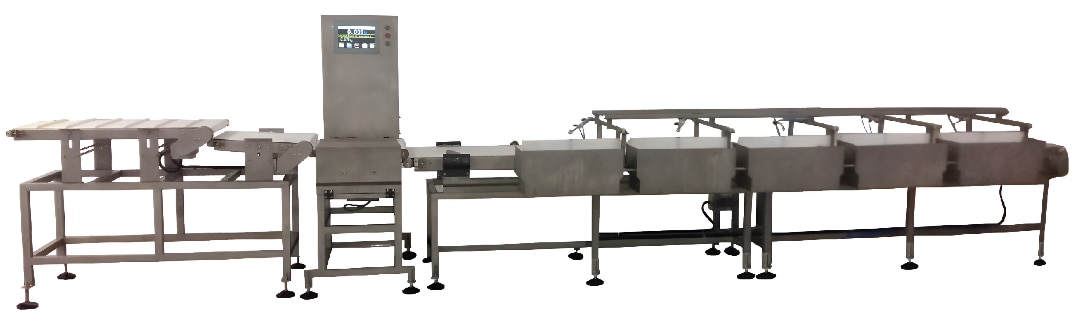
A standalone weighing conveyor typically operates through a highly precise three-step process: Product Infeed: An item (such as a box, pouch, bottle, or tray) transitions from the main production line onto the weighing conveyor's belt. The system requires the product to be completely isolated on the weighing deck—meaning no other item can touch the belt at the exact millisecond the measurement is taken. Dynamic Weighing: As the item passes over the center of the conveyor, high-speed digital load cells measure the downward force. Advanced filtering software instantly calculates out the structural vibrations of the conveyor motor to capture the pure weight of the moving product .Data Verification & Action: The internal computer compares the captured weight against your preset target limits (e.g., Target: 500g, Acceptable Tolerance: 5g). If the item is too light or too heavy, the conveyor instantly communicates with an attached downstream reject mechanism (like a pneumatic pusher or air jet) to discard the defective product. Key Features & Technical Advantages Dynamic “On-the-Fly” Measuring: Eliminates the need to stop the conveyor to take a measurement, ensuring that high-speed production lines can run at maximum capacity. Independent Controls: Features an integrated touchscreen interface (HMI) mounted directly to the frame. This allows operators to change product recipes, calibrate the load cells, and view real-time batch statistics independently of the rest of the factory network. Highly Adaptable Framing: Usually designed with adjustable floor leveling feet or lockable casters, making it easy to match the exact height of your existing processing machinery. Data Logging and Connectivity: Modern units log the weight data of thousands of packs, allowing management to export quality control reports or connect the machine to a central ERP system via Ethernet or Wi-Fi. Why Facilities Use Standalone Units Protects Profit Margins: Overfilling packages (product giveaway) drains profits over time. Accurate weighing ensures you only ship the exact amount promised. Regulatory Compliance: Many countries enforce strict “Net Quantity” laws. Shipping under-filled packages can result in severe legal penalties or product recalls. Plug-and-Play Integration: Because the conveyor doesn't need to be structurally hardwired into the mechanical frames of older upstream machines, it can be integrated into almost any factory floor setup with minimal downtime.

6814772a5d263414004dd4a4 Card 2

product image
Grading System

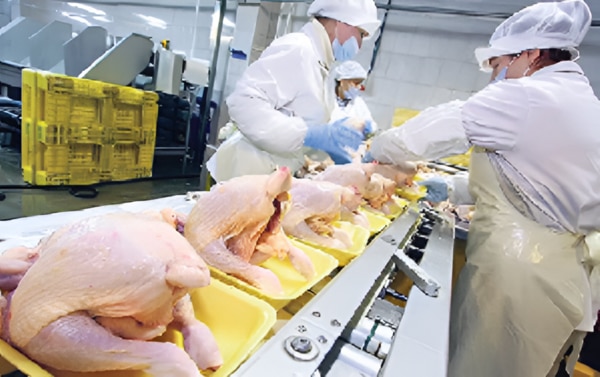
Operating at high speeds—often processing ninety to over a hundred pieces per minute—the system routes poultry through a continuous automated loop: Infeed & Singulation: Whole chickens or cut parts are placed onto a food-grade flat belt conveyor. The conveyor accelerates slightly to create a physical gap (singulation) between each piece so the sensors can evaluate them individually. Dynamic Weighing: The product passes over an ultra-precise, motion-compensated load cell (a dynamic Pico Check Weigher). The system captures the exact weight of the moving chicken piece in milliseconds. Vision Inspection (Optional): Overhead smart cameras scan the chicken simultaneously to evaluate visual quality parameters, such as skin tears, bruising, blood spots, or incorrect fat trimming. Smart Diverting: A central Programmable Logic Controller (PLC) matches the weight and quality data against predefined grading rules and triggers a mechanical mechanism further down the line to smoothly guide the piece into its designated collection bin or tray. Critical Engineering Requirements for Poultry Sorting raw chicken presents distinct material and environmental challenges that standard manufacturing systems cannot handle: Strict Sanitary (Washdown) Design: Poultry plants are cold, wet, and highly prone to bacterial contamination (like Salmonella). Systems must be built entirely out of Stainless Steel (SS304 or SS316) with IP69K-rated waterproof electronics, allowing the machinery to be blasted daily with high-pressure hot water and chemical foam. Sticky and Delicate Textures: Raw chicken flesh is soft, fragile, and naturally sticky. To prevent tearing or product buildup, grading lines use non-stick polyurethane belts or open-mesh modular plastic belts alongside ultra-smooth plastic sorting gates. High-Speed Execution: Because poultry lines process massive volumes, the weighing and diverting mechanisms must reset almost instantly to handle a constant, rapid stream of parts. Key Benefits for Poultry Processors Minimizes Product “Giveaway”: Fast-food chains and supermarkets demand exact weights (e.g., a restaurant group requiring breasts to be precisely 150g–170g for uniform cooking). Automated grading stops profit loss by ensuring processors don't accidentally ship overweight pieces. Massive Throughput: Automated systems comfortably sort multiple tons of chicken per hour, maintaining a continuous workflow that manual hand-sorting teams cannot physically match. Enhanced Food Safety: By replacing manual handling with automated conveyors and mechanical diverters, human contact with the raw meat is drastically minimized, significantly lowering cross-contamination risks and extending product shelf life.

6814772a5d263414004dd4a4 Card 2

product image
Grading System

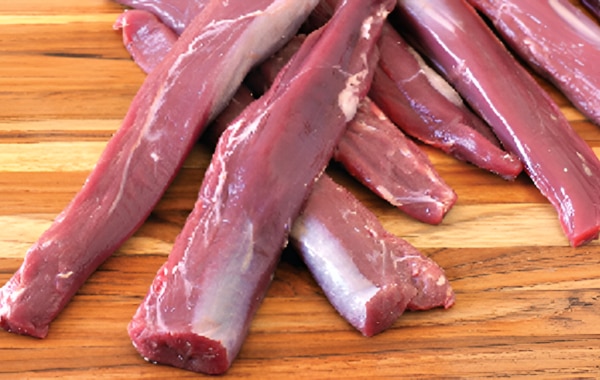
The system operates continuously, moving meat portions through a high-speed inspection and routing loop: Infeed & Singulation: Cut portions of meat are placed onto an infeed flat belt conveyor. The conveyor typically accelerates slightly to create a physical gap (singulation) between each piece so they can be processed individually. Dynamic Inspection: As the meat moves down the line, it passes through an inspection zone without stopping: In-Line Weighing: High-speed dynamic load cells (like a checkweigher) capture the exact weight of the wet, moving meat in milliseconds. Vision Systems: Smart overhead cameras scan the portion to analyze surface area, fat-to-lean ratios, thickness, or overall dimensions. Smart Categorization: A central Programmable Logic Controller (PLC) instantly matches the sensor data against predefined weight brackets or size rules and assigns each portion a specific grade. Gentle Diverting: Mechanical gates, sweeping arms, or heavy-duty pneumatic pushers are triggered at the precise millisecond the meat reaches its designated channel, sliding it into a corresponding collection bin, tray, or crate. Critical Engineering Requirements Automating the grading of raw meat presents harsh environmental and material challenges: Sanitary “Washdown” Design: Raw meat processing environments are cold, wet, and highly prone to bacterial growth. Systems like the Pico Sorting & Grading System are engineered using Stainless Steel (SS304 or SS316) and IP69K-rated waterproof electronics. This allows production teams to sanitize the entire machine daily using high-pressure hot water and chemical foam. Hygiene and Material Selection: Standard fabric belts absorb moisture and trap bacteria. Meat grading systems use specialized food-grade polyurethane (PU) belts or open-mesh modular plastic belts that do not absorb blood or moisture and release sticky raw meat cleanly when diverted. Heavy-Duty Durability: While delicate items like fish fillets require sweeping arms, bulk meat operations handling large beef primitives or pork loins require robust, high-force pneumatic pushers to transfer heavy weight efficiently. Key Benefits for Meat Processors Eliminates Product “Giveaway”: When packing fixed-weight trays for supermarkets, precise automated grading ensures the total weight hits the target exactly. This stops profit loss from accidentally overpacking extra meat into the tray. Consistent Quality Control: Automated vision grading screens for visual defects, discoloration, or incorrect fat trimming, ensuring that only premium cuts make it into premium boxes. Extended Product Shelf Life: By replacing manual handling with automated conveyors and diverters, human physical contact with raw meat is drastically reduced. This lowers the risk of cross-contamination and improves overall food safety scores. High-Volume Throughput: Automated systems comfortably process multiple tons of meat per hour, keeping up with high-speed slaughter and fabrication lines that manual sorting teams cannot match.

6814772a5d263414004dd4a4 Card 2

product image
Grading System

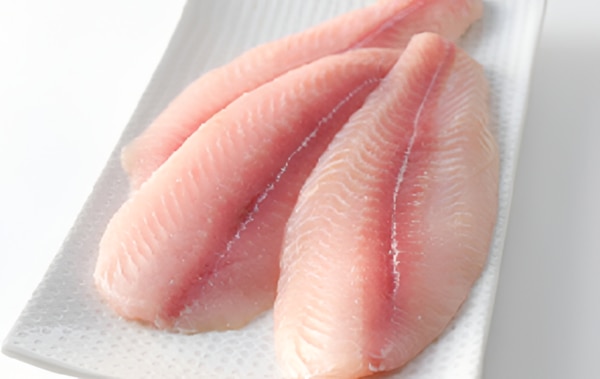
The system operates inline and processes fillets at incredibly high speeds (often hundreds of pieces per minute) through a four-step automated loop: Infeed & Singulation: Cut and trimmed fillets are placed onto a high-speed flat belt conveyor. The conveyor accelerates slightly to create a uniform physical gap between each fillet so they can be evaluated individually. Dynamic In-Line Weighing: The fillet passes over an ultra-precise, motion-compensated load cell (often a specialized Pico Check Weigher). The system captures the exact weight of the wet, moving fillet in milliseconds. Vision Inspection (Optional): In advanced systems, overhead smart cameras scan the fillet simultaneously to check for dimensions, color uniformity, trimming defects, or remaining blood spots. Gentle Diverting: A central PLC controller calculates the data and triggers a specific mechanical gate, arm, or slider further down the line. The fillet is smoothly swept off the belt into its corresponding weight bracket crate (e.g., 100g–150g, 150g–200g). Critical Engineering Requirements Operating a grading system for raw fish fillets presents unique challenges that standard manufacturing systems don't face: Extreme Soft-Tissue Handling: Unlike whole fish, skinless and boneless fillets are incredibly fragile. Mechanical pushers or rough drops can tear the meat or ruin its texture. Advanced systems use gentle sweeping arms, air-jets, or dropping flaps to shift the product without bruising it. Surface Stickiness: Wet fish flesh naturally sticks to standard conveyor materials. Fillet graders use specialized food-grade belts (like non-stick polyurethane or modular plastic open-mesh) to ensure the fillet releases cleanly when diverted. Sanitary “Washdown” Design: Seafood plants are cold, wet, and highly prone to bacterial growth. Graders like the Pico Sorting & Grading System are engineered with IP69K-rated waterproof electronics and Stainless Steel (SS304/SS316) frames, allowing teams to blast the entire machine with high-pressure chemical foam daily. Primary Benefits for Processors Minimizes Product “Giveaway”: If a restaurant orders a box of 200g fillets, human sorters often err on the side of caution and pack slightly heavier pieces. Automated grading stops this profit loss (giveaway) by ensuring bags and boxes are packed to the exact gram required. Standardized Packaging & Pricing: Allows processors to segregate premium uniform cuts for high-end restaurants while routing smaller, irregular portions to be frozen or breaded into fish sticks. Extended Shelf Life: Because automation replaces manual hand-weighing, human physical contact with the raw meat is drastically reduced, lowering the risk of cross-contamination and improving food safety scores.

6814772a5d263414004dd4a4 Card 2

product image
Grading System

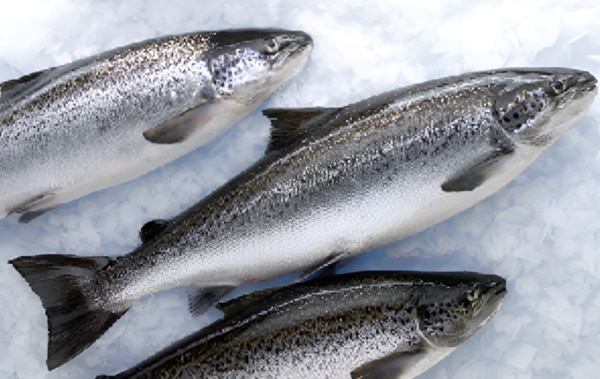
An industrial fish grading line operates in a continuous, high-speed loop: Infeed & Singulation: Harvested or processed fish are loaded onto an infeed conveyor. The system aligns and spaces them out so they pass through the inspection zone one at a time. Dynamic Scanning: As each fish moves along the conveyor, it passes through an inspection zone without stopping: In-Line Weighing: High-speed dynamic load cells (like a checkweigher) capture the exact weight of the wet, moving fish in milliseconds. Vision Systems (Optional): Overhead cameras scan the fish to measure length, volume, or detect surface defects and discoloration. Smart Categorization: A central Programmable Logic Controller (PLC) processes the weight or size data and instantly assigns the fish to a specific grade category. Gentle Sorting (Diverting): Mechanical arms, flippers, or smooth pushers are triggered at the exact microsecond the fish reaches its designated station, sliding it gently into a specific collection bin or crate. Key Features & Requirements Washdown & Hygiene Construction: Because the system operates in cold, wet, and salty environments, the entire framework is built using Stainless Steel (SS304 or SS316) and food-grade plastics. It is designed to withstand high-pressure, chemical washdowns to prevent bacterial growth. Gentle Handling: Fish flesh is delicate and bruises easily. The sorting mechanisms (like sweeping arms or drop-flaps) are engineered to minimize impact, preserving the premium quality of the seafood. High Throughput: Industrial systems can process thousands of fish per hour—often ranging from 1 to 5 tons of seafood per hour—vastly outperforming manual hand-sorting. Primary Benefits for Seafood Processors Eliminates Material “Giveaway”: When packaging “1 kg” bags of fish fillets, precise grading ensures the total weight is hit exactly, preventing expensive overpacking. Consistent Cook Times: Uniformly sized fish are highly desired by restaurants and commercial kitchens because they thaw and cook at the exact same rate. Increased Market Value: Uniform, well-graded batches of premium seafood command significantly higher market prices than mixed, irregular lots. Reduced Labor Costs: Automating the grading process reduces the need for large manual sorting teams working in cold, strenuous environments.

6814772a5d263414004dd4a4 Card 2

product image
Grading System

An industrial grading system operates through a continuous four-step cycle: Singulation and Feeding: Mixed items are placed onto an infeed conveyor. The system accelerates or spaces them out so they pass through the inspection zone individually. Sensor Inspection: As each item passes a specific zone, advanced sensors analyze it in real time. Depending on the criteria, the system uses: Load Cells (Dynamic Weighing): Captures the exact weight of a moving item in milliseconds. Vision Systems (Cameras): Analyzes the dimensions, shape, surface defects, or color of the product. Data Processing (The Brain): A central Programmable Logic Controller (PLC) or computer instantly matches the sensor data against predefined rules (e.g., “If weight is between 200g and 250g, assign to Grade B”). Diverting / Routing: The PLC triggers a mechanical mechanism further down the line to physical route the product into its designated collection bin, chute, or crate. Common Mechanical Sorting Methods Once an item is assigned a grade, different mechanical mechanisms are used to separate it from the main line: Drop-Flap / Trap Door: The conveyor belt has sections that drop down momentarily, letting the item fall directly into a bin underneath. Commonly used for small items like shrimp or fruit. Flipper / Arm Diverter: A mechanical arm swings across the belt to gently guide the item into a side lane. Pusher: A pneumatic piston strikes quickly to slide heavier items (like whole chickens or heavy boxes) off the side of the conveyor. Air Jet: A high-speed blast of compressed air blows lightweight items off the line without any physical contact, ideal for delicate items or high-speed lines. Primary Benefits of Automated Grading High Throughput: Automated lines can sort thousands of pieces per hour (often measured in tons per hour for food industries), a speed impossible to match manually. Flawless Consistency: Eliminates human error, fatigue, and subjective bias in determining whether a product is “large” or “premium.” Enhanced Hygiene: In raw meat, seafood, and food processing, automation minimizes human physical contact with the food, lowering the risk of bacterial contamination. Optimized Profitability: Allows facilities to sell premium, perfectly uniform batches at higher market rates while ensuring bulk packages don't accidentally contain oversized, expensive pieces.

6814772a5d263414004dd4a4 Card 2

product image
Belt Conveyors

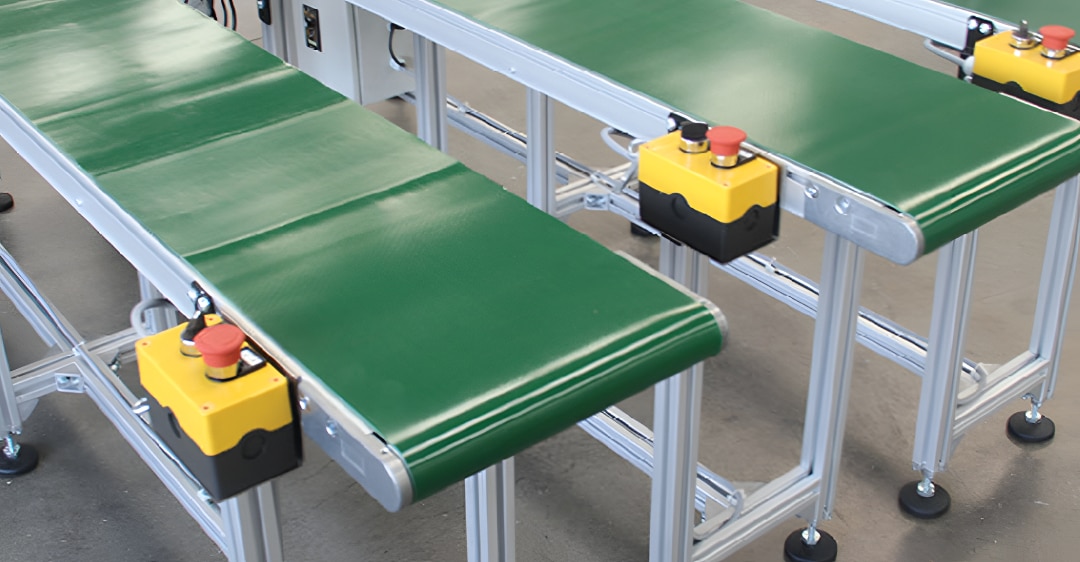
The system relies on a loop of belt wrapped around two main pulleys at either end: The Drive Pulley: Connected to an electric motor, this pulley uses friction to pull the belt forward. The Tail Pulley: An idle roller at the opposite end that provides tension and ensures the belt stays tracking in a straight line. The Support Bed: Underneath the moving belt sits either a solid sheet of metal (Slider Bed) for light loads or a series of rollers (Roller Bed) to reduce friction for heavier loads. Key Features & Advantages Smooth and Continuous Transport: Because the surface is entirely flat and seamless, it provides an exceptionally stable ride. This prevents small, delicate, or oddly shaped items from tipping over or falling through gaps. Versatility: Can transport a vast array of product types—from tiny electronic components and loose parts to heavy cardboard boxes and packaged foods. Variable Speed & Control: Easy to integrate with variable frequency drives (VFDs) to precisely control production speeds, slow down for manual inspection, or speed up for sorting. Cost-Effective: Simple design translates to lower upfront engineering and manufacturing costs compared to complex modular or powered roller networks. Common Applications Flat belt conveyors are the foundational backbone of general manufacturing and logistics: Packaging & Shipping Lines: Transporting sealed boxes, mailers, and envelopes through labeling, taping, and taping machines. Assembly Lines: Moving electronics, appliances, or consumer goods gradually past assembly workers or robotic arms. Inspection & Sorting Zones: Providing a steady, flat workspace for quality control inspectors to review products or scan barcodes. Food & Pharmaceutical Packaging: Using specialized food-grade polyurethane (PU) belts to transport wrapped snacks, bottled medications, or personal care products safely. Limitations to Consider No Accumulation: Items cannot back up or queue up on a standard flat belt while it's moving. If a box stops, the friction of the moving belt underneath will cause the packages to crash, pile up, or damage the bottom of the product. Strict Tracking Maintenance: The belt must remain perfectly centered. If the tension is uneven, the belt can drift to one side, causing frayed edges and structural damage over time.

6814772a5d263414004dd4a4 Card 2

product image
Belt Conveyors

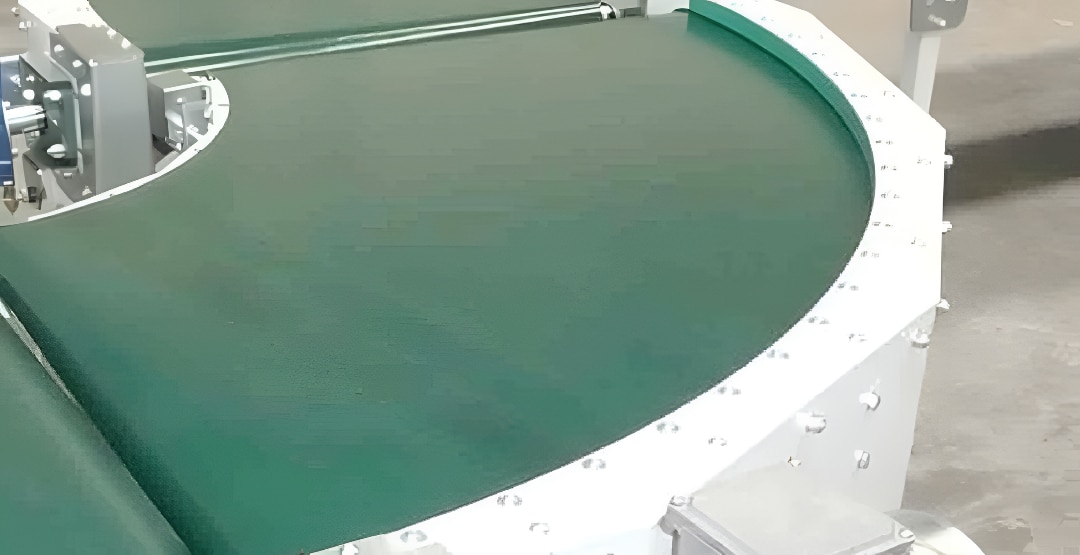
Because the outside edge of a 90-degree turn is longer than the inside edge, a standard straight conveyor belt cannot be bent into a curve; it would bunch up on the inside and stretch or snap on the outside. To solve this, a 90-degree conveyor uses a conical (tapered) pulley design combined with a pre-shaped, curved belt. The drive pulleys are wider on the outside diameter and narrower on the inside. This allows the outside of the belt to travel faster than the inside, ensuring that products move uniformly around the bend without slipping or spinning. Key Features & Advantages Maintains Product Orientation: If a box enters the curve facing forward, it exits the curve facing forward. This is critical for automated lines featuring barcode scanners, label applicators, or vision inspection systems that require products to be in a precise position. Smooth, Gentle Transfers: Because the transition is seamless, it prevents fragile items (such as glassware, delicate electronics, or unpackaged food items) from jarring, tipping over, or bumping into each other. Positive Belt Tracking: To prevent the immense centrifugal force from pulling the belt toward the inside of the turn, the belt is physically locked into the frame. This is usually achieved using sealed bearings, guide rollers, or a continuous chain/bead guide sewn directly into the outside edge of the belt. Space Optimization: It allows factories and warehouses to maximize their floor space by routing production lines around structural pillars, walls, or into tight “U-shape” and “S-shape” room configurations. Common Applications 90-degree belt conveyors are vital junction points used to connect separate legs of an automation system: Airport Baggage Handling: Safely navigating checked luggage and bulky suitcases through tight terminal walls from the check-in desk to the sorting area. E-commerce & Distribution Hubs: Routing cardboard shipping boxes out of a main sorting vein into a specific 90 ∘ shipping lane or dock door. Food & Beverage Production: Moving baked goods, bottles, or canned items through processing, filling, and packaging areas without causing them to spill or crash. Manufacturing Assembly Lines: Guiding components around a workspace to form continuous loops, ensuring a constant workflow for assembly workers.

6814772a5d263414004dd4a4 Card 2

product image
Belt Conveyors

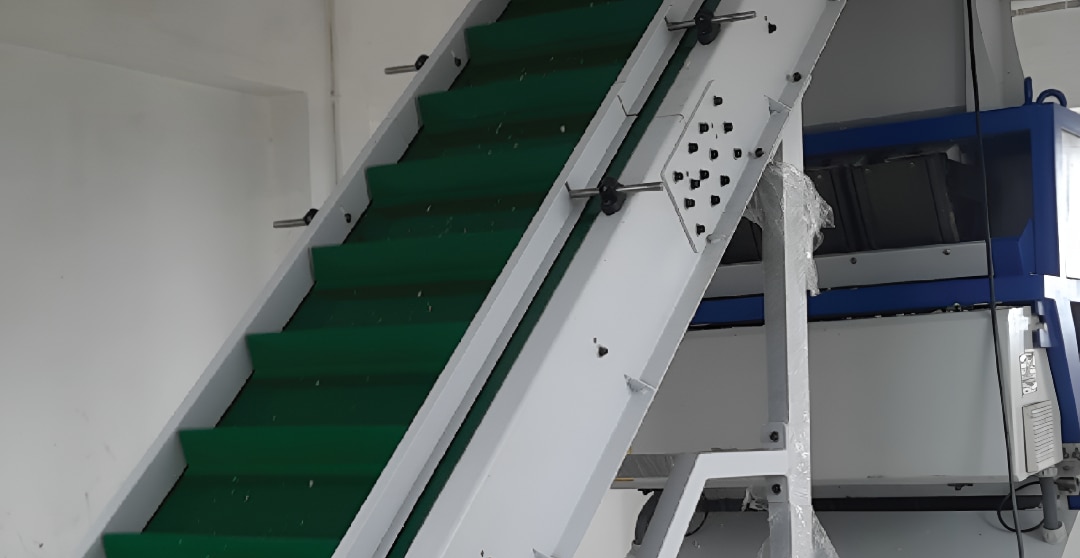
The core mechanism is similar to a standard flat belt conveyor, but the belt surface is structurally modified. As the motorized belt moves, the cleats create physical compartments. On an incline: The product rests against the front face of the cleat, preventing gravity from pulling it downward. On a decline: The cleats act as brakes, gently regulating the speed of the product as it moves down a slope. Key Features & Advantages High-Incline Transport: Standard flat belts max out at around a 15 -degree to 20 -degree angle before items slip. Cleated belts can comfortably handle angles from 20 -degree up to 45 -degree (and even steeper when paired with specialized side walls). Space Efficiency: Because it can lift items at steeper angles, it requires significantly less horizontal floor space to bridge vertical heights compared to a standard gradual incline conveyor. Precise Product Spacing (Indexing): Cleats create uniform pockets. This allows the conveyor to feed items into packaging or sorting machines one at a time at a perfectly timed cadence. Common Applications Cleat belt conveyors are widely utilized across industries that deal with bulk items, loose parts, or multi-level building layouts: Food Processing & Agriculture: Elevating raw fruits, vegetables, nuts, or grains up into washing hoppers, blenders, or sorting stations. Manufacturing & Stamping: Carrying small metal parts, plastic molded components, or hardware screws out of a drop chute up into large storage bins. Packaging Lines: Transporting loose pouches, candy bars, or small cosmetics up to a top-level sealing or cartoning machine. Recycling & Waste Management: Moving shredded plastics, crushed aluminum cans, or glass shards out of floor-level sorting pits into processing machinery.

6814772a5d263414004dd4a4 Card 2

product image
Belt Conveyors

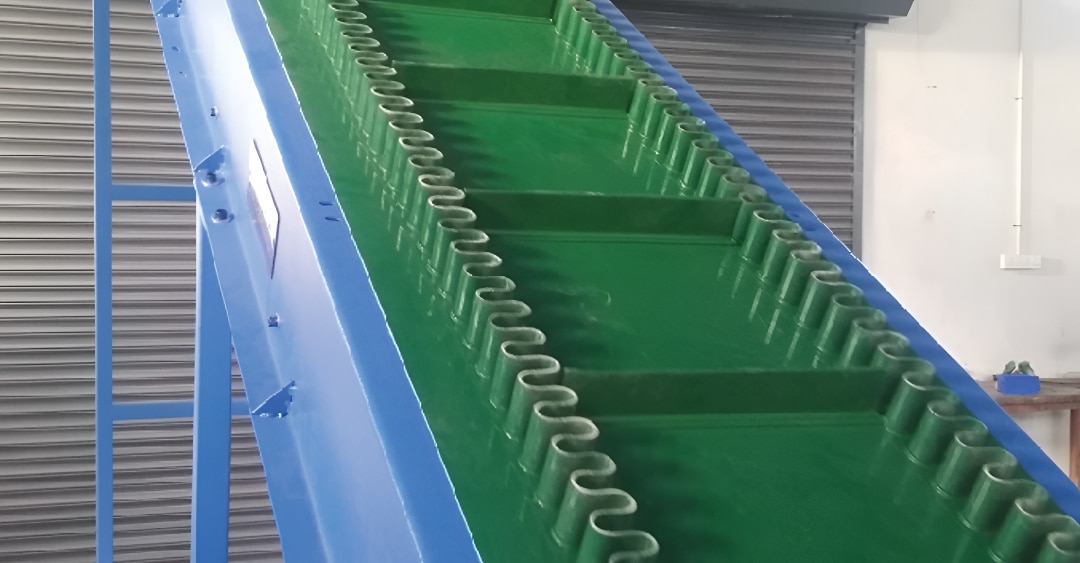
The system relies on a uniquely engineered three-part composite belt:The Base Belt: A high-rigidity rubber or PVC belt that provides the cross-stabilization needed to handle the tension of vertical lifting without bowing or twisting.Corrugated Sidewalls: Flexible, accordion-like rubber walls bonded to both edges of the belt. These walls compress and expand dynamically as the belt travels around the end pulleys, preventing materials from spilling off the sides.Integrated Cleats: Transverse fabric-reinforced rubber ribs (usually T-shaped, C-shaped, or scoop-shaped) bolted or vulcanized across the belt between the sidewalls. These act as pockets or shelves to catch and lift the material vertically.Key Features & AdvantagesExtreme Incline Angles ($0^circ$ to $90^circ$): While standard conveyor belts max out at around a $20^circ$ incline before items slide backward, sidewall conveyors can lift materials completely vertically.Massive Space Savings: Because it can lift materials straight up, a sidewall conveyor requires a fraction of the horizontal floor space compared to a long, gradual incline ramp.Zero Spillage at Transfer Points: The “pocketed” nature of the belt completely seals the product in place, minimizing product degradation and keeping dust and debris off the factory floor.Single-Drive System: A single sidewall belt can transition smoothly from horizontal loading, to a vertical climb, and back to a horizontal discharge—all powered by one motor. This eliminates the need for multiple independent conveyors and risky product transfer points.Common Configurations (The S-Shape Layout)Because the belt is flexible yet structurally rigid, these systems are highly valued for their “S-Shape” or “Z-Shape” configurations:The Bottom Horizontal: Materials are smoothly loaded onto a flat, horizontal section.The Vertical Curve: The belt curves upward to a sharp incline, pocketing the material securely.The Top Horizontal: The belt levels off again at an elevated height to cleanly dump the material into a silo, hopper, or truck.

6814772a5d263414004dd4a4 Card 2

product image
Belt Conveyors

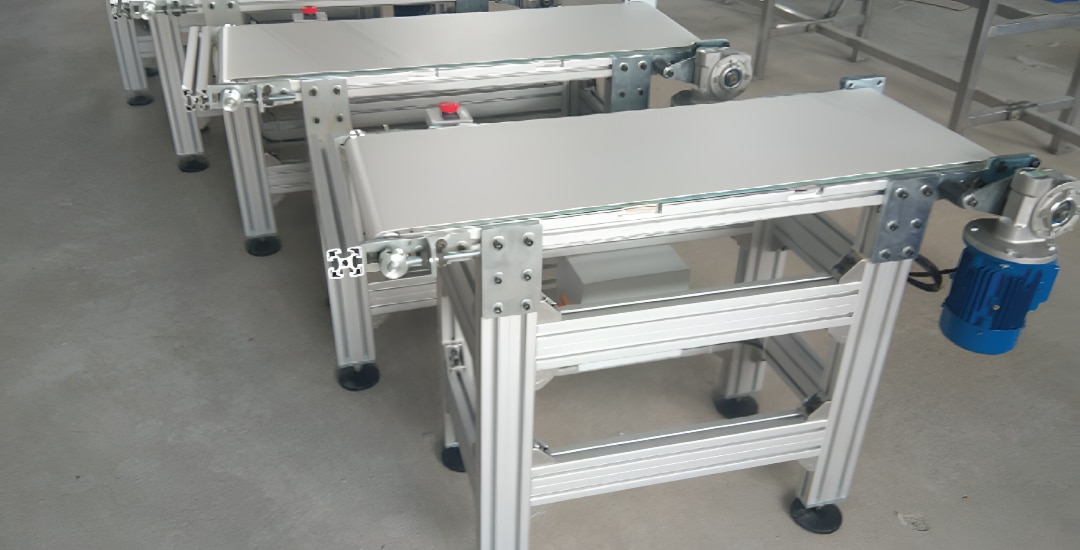
An Aluminium Profile Conveyor (often called an aluminum extrusion conveyor) is a highly modern, modular material handling system built using structural aluminum frameworks instead of traditional welded sheet steel. Rather than being a specific type of belt or roller mechanism, “aluminium profile” refers to the structural backbone of the conveyor. These systems are incredibly popular in automation, electronics assembly, pharmaceuticals, and packaging due to their clean aesthetics, lightweight nature, and extreme flexibility. Key Features & Advantages Modular “T-Slot” Design: The structural aluminum beams feature continuous grooves (T-slots) running along their entire length. This allows engineers to easily bolt on sensors, guide rails, barcodes scanners, or robotic arms anywhere on the frame without drilling or welding. Lightweight yet Strong: Aluminum has a high strength-to-weight ratio. These conveyors are easy to move, reconfigure, or suspend from ceilings, yet rigid enough to handle precision automation. Corrosion Resistant & Clean: Unlike steel, anodized aluminum does not rust, chip, or require painting. This makes it ideal for cleanrooms, medical packaging, and electronic manufacturing where paint flakes or rust could ruin a product. Rapid Assembly and Alteration: Because the components bolt together like an Erector set or LEGOs, a team can assemble, extend, shorten, or completely reconfigure the conveyor's layout in a fraction of the time it takes to modify a welded steel conveyor. Common Applications Aluminium profile conveyors are the go-to choice for high-tech, precision, and clean industrial sectors: Electronics & Semiconductor Assembly: Moving delicate circuit boards, microchips, and smartphones through automated testing and robotic soldering cells. Pharmaceutical & Medical Device Packaging: Transporting syringes, pill bottles, and medical kits through sterile cleanroom environments. Automated Inspection & Vision Systems: The rigid, vibration-dampening aluminum frame ensures that high-speed cameras can scan moving products without blurry images. E-commerce & Light Packaging: Sorting and routing small pouches, cosmetics, or consumer goods through dynamic fulfillment centers.

Phone Number

08048068921

Please keep 0 before dialling the number.

Email Address sales@picoautomation.in

Mon-Thu: 10 AM - 2 PM • Fri: 3 PM - 7AM

Address No:20, Prime Estates, Sf No:34, 1 & 35/1, Athipalayam Rd, Periyanaickenpalayam, Coimbatore, Tamil Nadu 641020

Coimbatore, India, 641020