Side Wall Belt Conveyors
Description
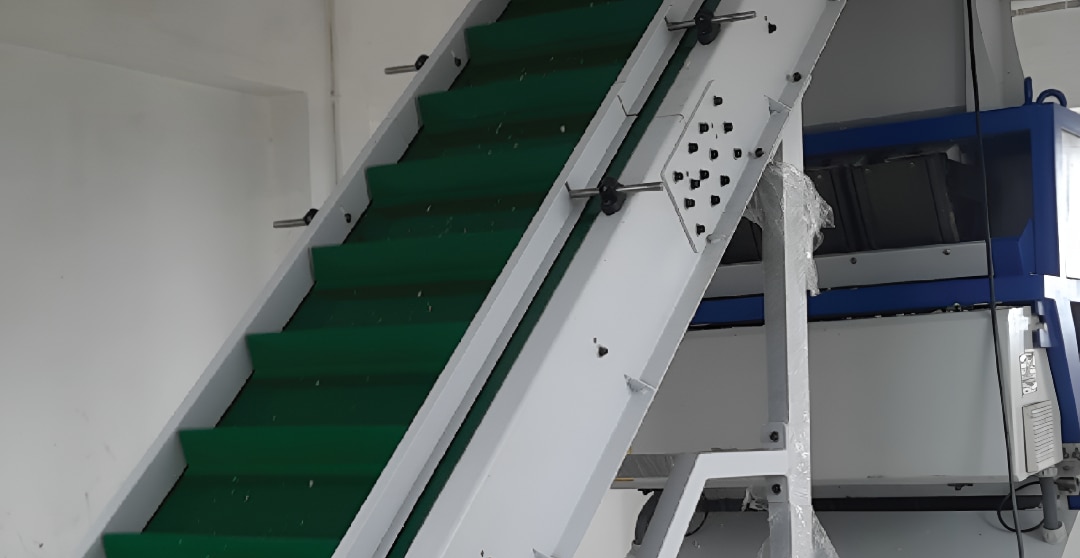
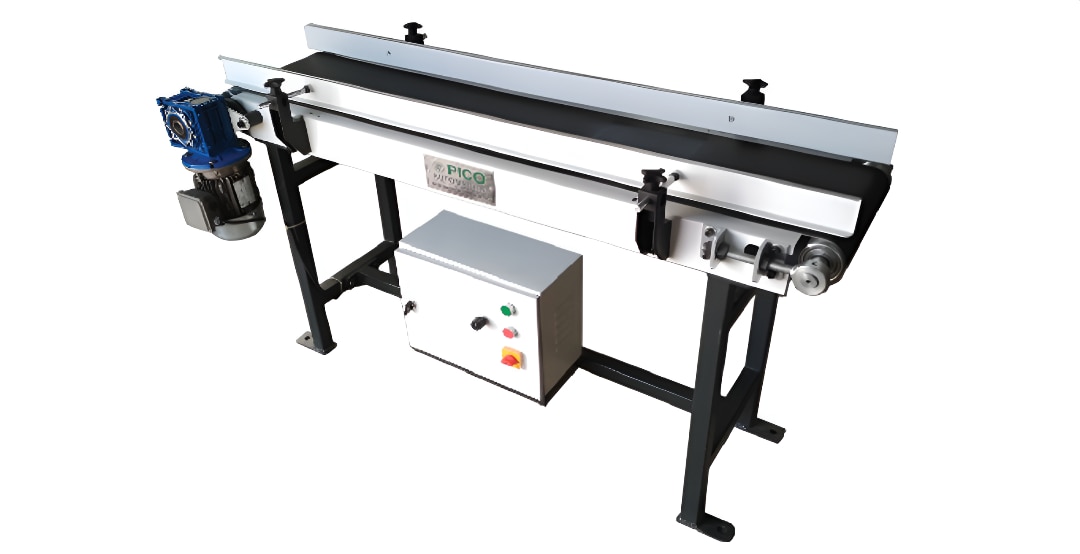
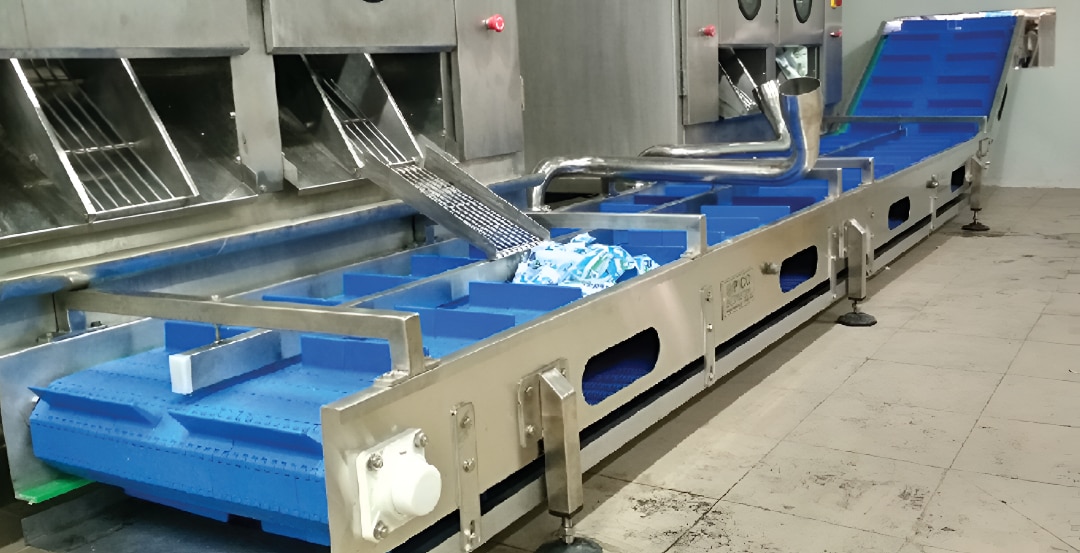
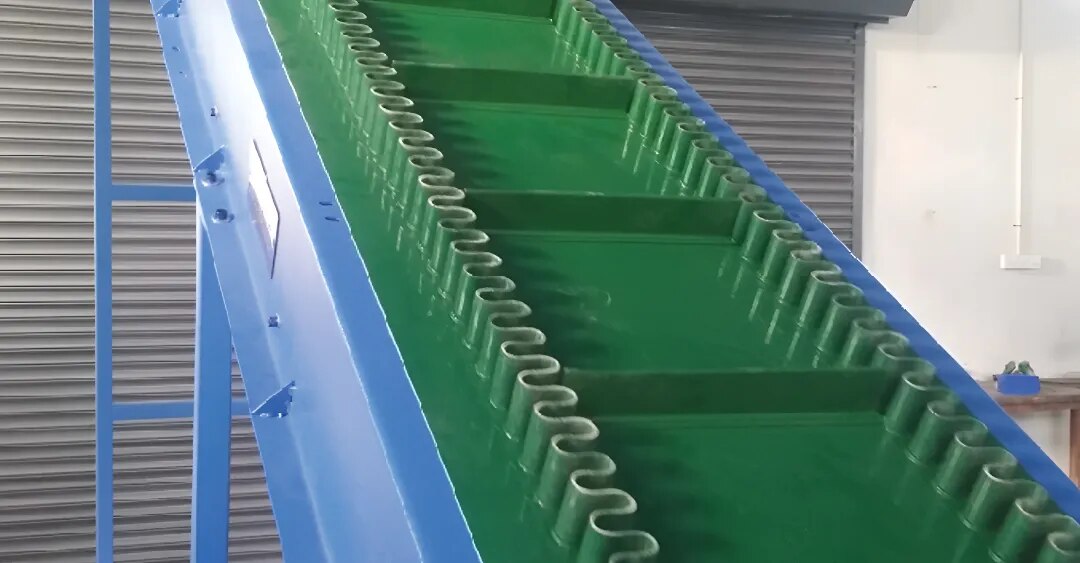
The system relies on a uniquely engineered three-part composite belt:The Base Belt: A high-rigidity rubber or PVC belt that provides the cross-stabilization needed to handle the tension of vertical lifting without bowing or twisting.Corrugated Sidewalls: Flexible, accordion-like rubber walls bonded to both edges of the belt. These walls compress and expand dynamically as the belt travels around the end pulleys, preventing materials from spilling off the sides.Integrated Cleats: Transverse fabric-reinforced rubber ribs (usually T-shaped, C-shaped, or scoop-shaped) bolted or vulcanized across the belt between the sidewalls. These act as pockets or shelves to catch and lift the material vertically.Key Features & AdvantagesExtreme Incline Angles ($0^circ$ to $90^circ$): While standard conveyor belts max out at around a $20^circ$ incline before items slide backward, sidewall conveyors can lift materials completely vertically.Massive Space Savings: Because it can lift materials straight up, a sidewall conveyor requires a fraction of the horizontal floor space compared to a long, gradual incline ramp.Zero Spillage at Transfer Points: The “pocketed” nature of the belt completely seals the product in place, minimizing product degradation and keeping dust and debris off the factory floor.Single-Drive System: A single sidewall belt can transition smoothly from horizontal loading, to a vertical climb, and back to a horizontal discharge—all powered by one motor. This eliminates the need for multiple independent conveyors and risky product transfer points.Common Configurations (The S-Shape Layout)Because the belt is flexible yet structurally rigid, these systems are highly valued for their “S-Shape” or “Z-Shape” configurations:The Bottom Horizontal: Materials are smoothly loaded onto a flat, horizontal section.The Vertical Curve: The belt curves upward to a sharp incline, pocketing the material securely.The Top Horizontal: The belt levels off again at an elevated height to cleanly dump the material into a silo, hopper, or truck.