Coimbatore
08048068921

grading system

6814772a5d263414004dd4a4 Card 2

product image
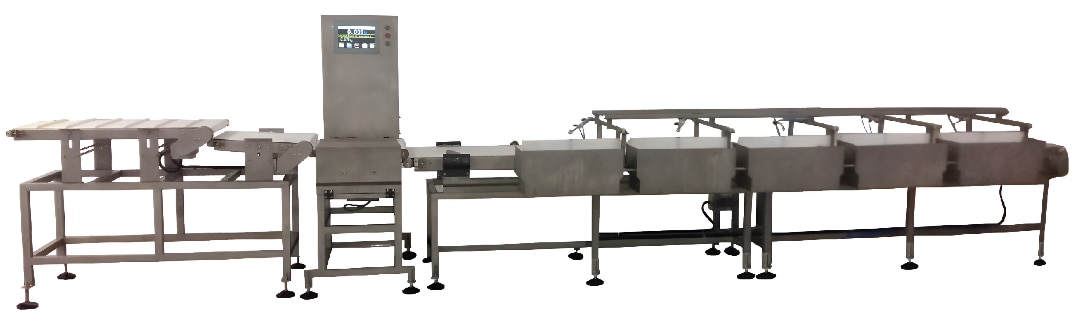
Grading System

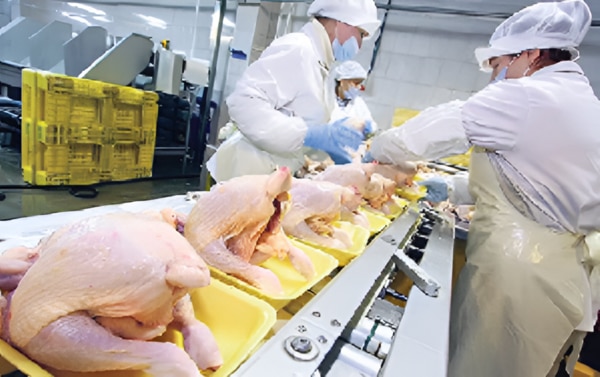
Operating at high speeds—often processing ninety to over a hundred pieces per minute—the system routes poultry through a continuous automated loop: Infeed & Singulation: Whole chickens or cut parts are placed onto a food-grade flat belt conveyor. The conveyor accelerates slightly to create a physical gap (singulation) between each piece so the sensors can evaluate them individually. Dynamic Weighing: The product passes over an ultra-precise, motion-compensated load cell (a dynamic Pico Check Weigher). The system captures the exact weight of the moving chicken piece in milliseconds. Vision Inspection (Optional): Overhead smart cameras scan the chicken simultaneously to evaluate visual quality parameters, such as skin tears, bruising, blood spots, or incorrect fat trimming. Smart Diverting: A central Programmable Logic Controller (PLC) matches the weight and quality data against predefined grading rules and triggers a mechanical mechanism further down the line to smoothly guide the piece into its designated collection bin or tray. Critical Engineering Requirements for Poultry Sorting raw chicken presents distinct material and environmental challenges that standard manufacturing systems cannot handle: Strict Sanitary (Washdown) Design: Poultry plants are cold, wet, and highly prone to bacterial contamination (like Salmonella). Systems must be built entirely out of Stainless Steel (SS304 or SS316) with IP69K-rated waterproof electronics, allowing the machinery to be blasted daily with high-pressure hot water and chemical foam. Sticky and Delicate Textures: Raw chicken flesh is soft, fragile, and naturally sticky. To prevent tearing or product buildup, grading lines use non-stick polyurethane belts or open-mesh modular plastic belts alongside ultra-smooth plastic sorting gates. High-Speed Execution: Because poultry lines process massive volumes, the weighing and diverting mechanisms must reset almost instantly to handle a constant, rapid stream of parts. Key Benefits for Poultry Processors Minimizes Product “Giveaway”: Fast-food chains and supermarkets demand exact weights (e.g., a restaurant group requiring breasts to be precisely 150g–170g for uniform cooking). Automated grading stops profit loss by ensuring processors don't accidentally ship overweight pieces. Massive Throughput: Automated systems comfortably sort multiple tons of chicken per hour, maintaining a continuous workflow that manual hand-sorting teams cannot physically match. Enhanced Food Safety: By replacing manual handling with automated conveyors and mechanical diverters, human contact with the raw meat is drastically minimized, significantly lowering cross-contamination risks and extending product shelf life.

6814772a5d263414004dd4a4 Card 2

product image
Grading System

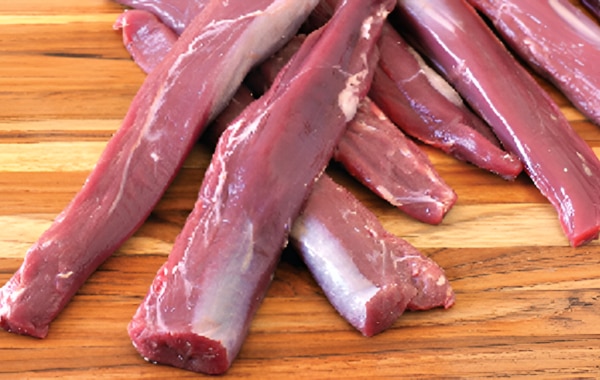
The system operates continuously, moving meat portions through a high-speed inspection and routing loop: Infeed & Singulation: Cut portions of meat are placed onto an infeed flat belt conveyor. The conveyor typically accelerates slightly to create a physical gap (singulation) between each piece so they can be processed individually. Dynamic Inspection: As the meat moves down the line, it passes through an inspection zone without stopping: In-Line Weighing: High-speed dynamic load cells (like a checkweigher) capture the exact weight of the wet, moving meat in milliseconds. Vision Systems: Smart overhead cameras scan the portion to analyze surface area, fat-to-lean ratios, thickness, or overall dimensions. Smart Categorization: A central Programmable Logic Controller (PLC) instantly matches the sensor data against predefined weight brackets or size rules and assigns each portion a specific grade. Gentle Diverting: Mechanical gates, sweeping arms, or heavy-duty pneumatic pushers are triggered at the precise millisecond the meat reaches its designated channel, sliding it into a corresponding collection bin, tray, or crate. Critical Engineering Requirements Automating the grading of raw meat presents harsh environmental and material challenges: Sanitary “Washdown” Design: Raw meat processing environments are cold, wet, and highly prone to bacterial growth. Systems like the Pico Sorting & Grading System are engineered using Stainless Steel (SS304 or SS316) and IP69K-rated waterproof electronics. This allows production teams to sanitize the entire machine daily using high-pressure hot water and chemical foam. Hygiene and Material Selection: Standard fabric belts absorb moisture and trap bacteria. Meat grading systems use specialized food-grade polyurethane (PU) belts or open-mesh modular plastic belts that do not absorb blood or moisture and release sticky raw meat cleanly when diverted. Heavy-Duty Durability: While delicate items like fish fillets require sweeping arms, bulk meat operations handling large beef primitives or pork loins require robust, high-force pneumatic pushers to transfer heavy weight efficiently. Key Benefits for Meat Processors Eliminates Product “Giveaway”: When packing fixed-weight trays for supermarkets, precise automated grading ensures the total weight hits the target exactly. This stops profit loss from accidentally overpacking extra meat into the tray. Consistent Quality Control: Automated vision grading screens for visual defects, discoloration, or incorrect fat trimming, ensuring that only premium cuts make it into premium boxes. Extended Product Shelf Life: By replacing manual handling with automated conveyors and diverters, human physical contact with raw meat is drastically reduced. This lowers the risk of cross-contamination and improves overall food safety scores. High-Volume Throughput: Automated systems comfortably process multiple tons of meat per hour, keeping up with high-speed slaughter and fabrication lines that manual sorting teams cannot match.

6814772a5d263414004dd4a4 Card 2

product image
Grading System

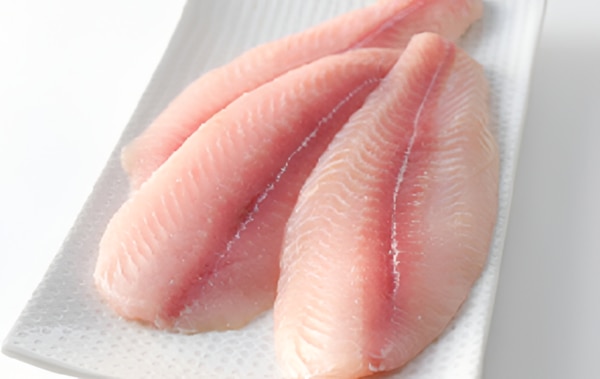
The system operates inline and processes fillets at incredibly high speeds (often hundreds of pieces per minute) through a four-step automated loop: Infeed & Singulation: Cut and trimmed fillets are placed onto a high-speed flat belt conveyor. The conveyor accelerates slightly to create a uniform physical gap between each fillet so they can be evaluated individually. Dynamic In-Line Weighing: The fillet passes over an ultra-precise, motion-compensated load cell (often a specialized Pico Check Weigher). The system captures the exact weight of the wet, moving fillet in milliseconds. Vision Inspection (Optional): In advanced systems, overhead smart cameras scan the fillet simultaneously to check for dimensions, color uniformity, trimming defects, or remaining blood spots. Gentle Diverting: A central PLC controller calculates the data and triggers a specific mechanical gate, arm, or slider further down the line. The fillet is smoothly swept off the belt into its corresponding weight bracket crate (e.g., 100g–150g, 150g–200g). Critical Engineering Requirements Operating a grading system for raw fish fillets presents unique challenges that standard manufacturing systems don't face: Extreme Soft-Tissue Handling: Unlike whole fish, skinless and boneless fillets are incredibly fragile. Mechanical pushers or rough drops can tear the meat or ruin its texture. Advanced systems use gentle sweeping arms, air-jets, or dropping flaps to shift the product without bruising it. Surface Stickiness: Wet fish flesh naturally sticks to standard conveyor materials. Fillet graders use specialized food-grade belts (like non-stick polyurethane or modular plastic open-mesh) to ensure the fillet releases cleanly when diverted. Sanitary “Washdown” Design: Seafood plants are cold, wet, and highly prone to bacterial growth. Graders like the Pico Sorting & Grading System are engineered with IP69K-rated waterproof electronics and Stainless Steel (SS304/SS316) frames, allowing teams to blast the entire machine with high-pressure chemical foam daily. Primary Benefits for Processors Minimizes Product “Giveaway”: If a restaurant orders a box of 200g fillets, human sorters often err on the side of caution and pack slightly heavier pieces. Automated grading stops this profit loss (giveaway) by ensuring bags and boxes are packed to the exact gram required. Standardized Packaging & Pricing: Allows processors to segregate premium uniform cuts for high-end restaurants while routing smaller, irregular portions to be frozen or breaded into fish sticks. Extended Shelf Life: Because automation replaces manual hand-weighing, human physical contact with the raw meat is drastically reduced, lowering the risk of cross-contamination and improving food safety scores.

6814772a5d263414004dd4a4 Card 2

product image
Grading System

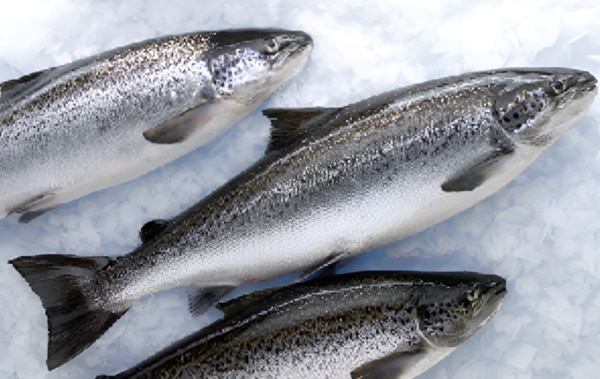
An industrial fish grading line operates in a continuous, high-speed loop: Infeed & Singulation: Harvested or processed fish are loaded onto an infeed conveyor. The system aligns and spaces them out so they pass through the inspection zone one at a time. Dynamic Scanning: As each fish moves along the conveyor, it passes through an inspection zone without stopping: In-Line Weighing: High-speed dynamic load cells (like a checkweigher) capture the exact weight of the wet, moving fish in milliseconds. Vision Systems (Optional): Overhead cameras scan the fish to measure length, volume, or detect surface defects and discoloration. Smart Categorization: A central Programmable Logic Controller (PLC) processes the weight or size data and instantly assigns the fish to a specific grade category. Gentle Sorting (Diverting): Mechanical arms, flippers, or smooth pushers are triggered at the exact microsecond the fish reaches its designated station, sliding it gently into a specific collection bin or crate. Key Features & Requirements Washdown & Hygiene Construction: Because the system operates in cold, wet, and salty environments, the entire framework is built using Stainless Steel (SS304 or SS316) and food-grade plastics. It is designed to withstand high-pressure, chemical washdowns to prevent bacterial growth. Gentle Handling: Fish flesh is delicate and bruises easily. The sorting mechanisms (like sweeping arms or drop-flaps) are engineered to minimize impact, preserving the premium quality of the seafood. High Throughput: Industrial systems can process thousands of fish per hour—often ranging from 1 to 5 tons of seafood per hour—vastly outperforming manual hand-sorting. Primary Benefits for Seafood Processors Eliminates Material “Giveaway”: When packaging “1 kg” bags of fish fillets, precise grading ensures the total weight is hit exactly, preventing expensive overpacking. Consistent Cook Times: Uniformly sized fish are highly desired by restaurants and commercial kitchens because they thaw and cook at the exact same rate. Increased Market Value: Uniform, well-graded batches of premium seafood command significantly higher market prices than mixed, irregular lots. Reduced Labor Costs: Automating the grading process reduces the need for large manual sorting teams working in cold, strenuous environments.

6814772a5d263414004dd4a4 Card 2

product image
Grading System

An industrial grading system operates through a continuous four-step cycle: Singulation and Feeding: Mixed items are placed onto an infeed conveyor. The system accelerates or spaces them out so they pass through the inspection zone individually. Sensor Inspection: As each item passes a specific zone, advanced sensors analyze it in real time. Depending on the criteria, the system uses: Load Cells (Dynamic Weighing): Captures the exact weight of a moving item in milliseconds. Vision Systems (Cameras): Analyzes the dimensions, shape, surface defects, or color of the product. Data Processing (The Brain): A central Programmable Logic Controller (PLC) or computer instantly matches the sensor data against predefined rules (e.g., “If weight is between 200g and 250g, assign to Grade B”). Diverting / Routing: The PLC triggers a mechanical mechanism further down the line to physical route the product into its designated collection bin, chute, or crate. Common Mechanical Sorting Methods Once an item is assigned a grade, different mechanical mechanisms are used to separate it from the main line: Drop-Flap / Trap Door: The conveyor belt has sections that drop down momentarily, letting the item fall directly into a bin underneath. Commonly used for small items like shrimp or fruit. Flipper / Arm Diverter: A mechanical arm swings across the belt to gently guide the item into a side lane. Pusher: A pneumatic piston strikes quickly to slide heavier items (like whole chickens or heavy boxes) off the side of the conveyor. Air Jet: A high-speed blast of compressed air blows lightweight items off the line without any physical contact, ideal for delicate items or high-speed lines. Primary Benefits of Automated Grading High Throughput: Automated lines can sort thousands of pieces per hour (often measured in tons per hour for food industries), a speed impossible to match manually. Flawless Consistency: Eliminates human error, fatigue, and subjective bias in determining whether a product is “large” or “premium.” Enhanced Hygiene: In raw meat, seafood, and food processing, automation minimizes human physical contact with the food, lowering the risk of bacterial contamination. Optimized Profitability: Allows facilities to sell premium, perfectly uniform batches at higher market rates while ensuring bulk packages don't accidentally contain oversized, expensive pieces.

Phone Number

08048068921

Please keep 0 before dialling the number.

Email Address sales@picoautomation.in

Mon-Thu: 10 AM - 2 PM • Fri: 3 PM - 7AM

Address No:20, Prime Estates, Sf No:34, 1 & 35/1, Athipalayam Rd, Periyanaickenpalayam, Coimbatore, Tamil Nadu 641020

Coimbatore, India, 641020