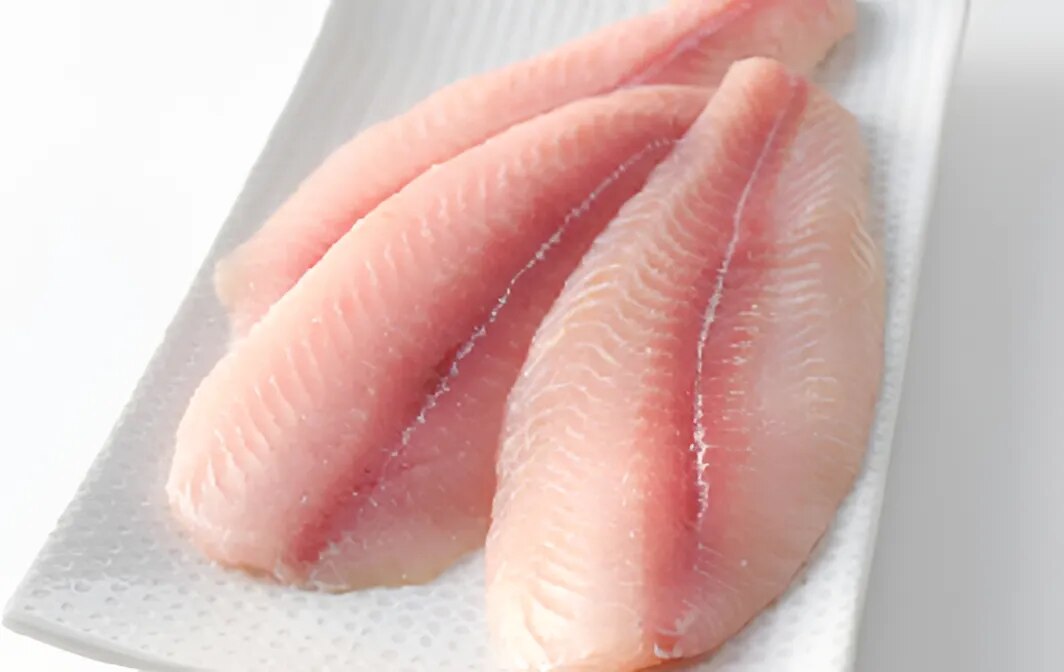
Fish Fillet Grading
Description
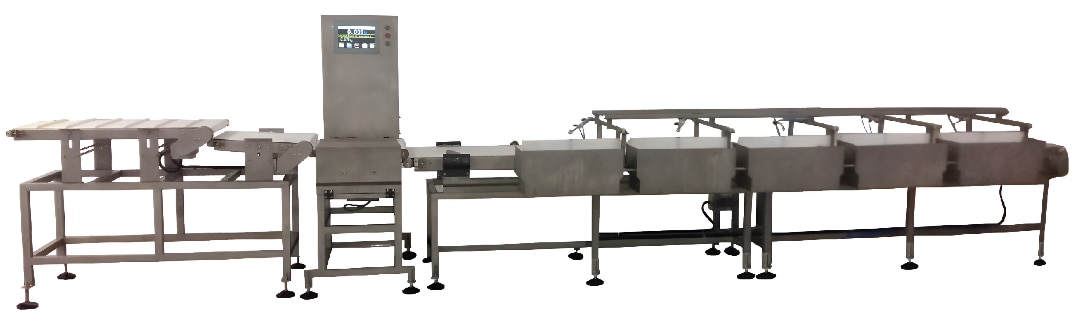
The system operates inline and processes fillets at incredibly high speeds (often hundreds of pieces per minute) through a four-step automated loop:
Infeed & Singulation: Cut and trimmed fillets are placed onto a high-speed flat belt conveyor. The conveyor accelerates slightly to create a uniform physical gap between each fillet so they can be evaluated individually.
Dynamic In-Line Weighing: The fillet passes over an ultra-precise, motion-compensated load cell (often a specialized Pico Check Weigher). The system captures the exact weight of the wet, moving fillet in milliseconds.
Vision Inspection (Optional): In advanced systems, overhead smart cameras scan the fillet simultaneously to check for dimensions, color uniformity, trimming defects, or remaining blood spots.
Gentle Diverting: A central PLC controller calculates the data and triggers a specific mechanical gate, arm, or slider further down the line. The fillet is smoothly swept off the belt into its corresponding weight bracket crate (e.g., 100g–150g, 150g–200g).
Critical Engineering Requirements
Operating a grading system for raw fish fillets presents unique challenges that standard manufacturing systems don't face:
Extreme Soft-Tissue Handling: Unlike whole fish, skinless and boneless fillets are incredibly fragile. Mechanical pushers or rough drops can tear the meat or ruin its texture. Advanced systems use gentle sweeping arms, air-jets, or dropping flaps to shift the product without bruising it.
Surface Stickiness: Wet fish flesh naturally sticks to standard conveyor materials. Fillet graders use specialized food-grade belts (like non-stick polyurethane or modular plastic open-mesh) to ensure the fillet releases cleanly when diverted.
Sanitary “Washdown” Design: Seafood plants are cold, wet, and highly prone to bacterial growth. Graders like the Pico Sorting & Grading System are engineered with IP69K-rated waterproof electronics and Stainless Steel (SS304/SS316) frames, allowing teams to blast the entire machine with high-pressure chemical foam daily.
Primary Benefits for Processors
Minimizes Product “Giveaway”: If a restaurant orders a box of 200g fillets, human sorters often err on the side of caution and pack slightly heavier pieces. Automated grading stops this profit loss (giveaway) by ensuring bags and boxes are packed to the exact gram required.
Standardized Packaging & Pricing: Allows processors to segregate premium uniform cuts for high-end restaurants while routing smaller, irregular portions to be frozen or breaded into fish sticks.
Extended Shelf Life: Because automation replaces manual hand-weighing, human physical contact with the raw meat is drastically reduced, lowering the risk of cross-contamination and improving food safety scores.