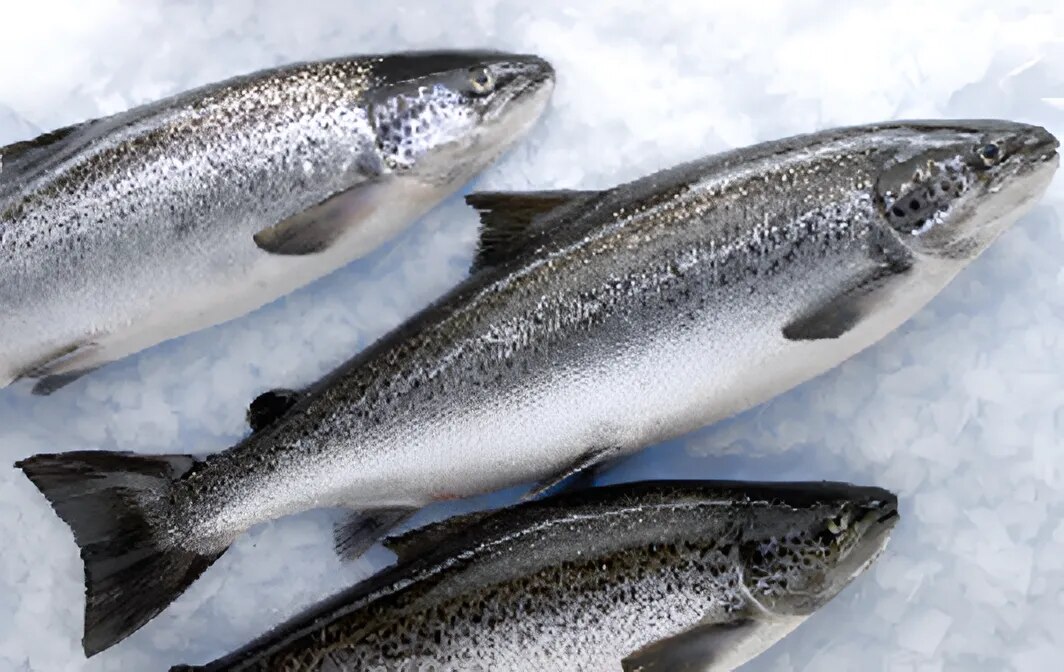
Fish Grading
Description
An industrial fish grading line operates in a continuous, high-speed loop:
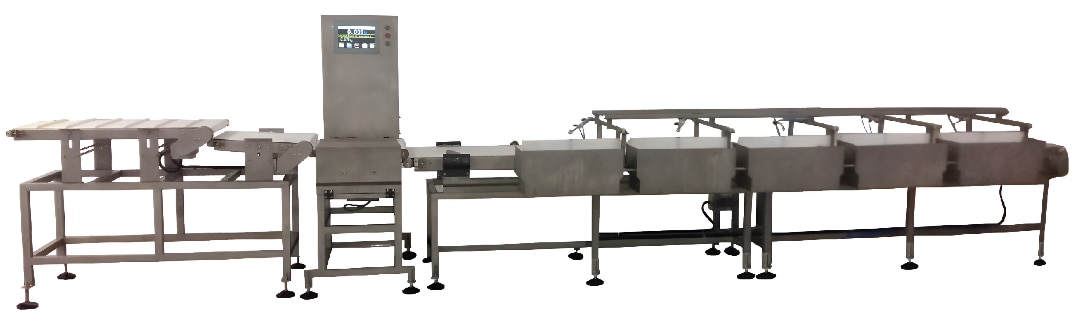
Infeed & Singulation: Harvested or processed fish are loaded onto an infeed conveyor. The system aligns and spaces them out so they pass through the inspection zone one at a time.
Dynamic Scanning: As each fish moves along the conveyor, it passes through an inspection zone without stopping:
In-Line Weighing: High-speed dynamic load cells (like a checkweigher) capture the exact weight of the wet, moving fish in milliseconds.
Vision Systems (Optional): Overhead cameras scan the fish to measure length, volume, or detect surface defects and discoloration.
Smart Categorization: A central Programmable Logic Controller (PLC) processes the weight or size data and instantly assigns the fish to a specific grade category.
Gentle Sorting (Diverting): Mechanical arms, flippers, or smooth pushers are triggered at the exact microsecond the fish reaches its designated station, sliding it gently into a specific collection bin or crate.
Key Features & Requirements
Washdown & Hygiene Construction: Because the system operates in cold, wet, and salty environments, the entire framework is built using Stainless Steel (SS304 or SS316) and food-grade plastics. It is designed to withstand high-pressure, chemical washdowns to prevent bacterial growth.
Gentle Handling: Fish flesh is delicate and bruises easily. The sorting mechanisms (like sweeping arms or drop-flaps) are engineered to minimize impact, preserving the premium quality of the seafood.
High Throughput: Industrial systems can process thousands of fish per hour—often ranging from 1 to 5 tons of seafood per hour—vastly outperforming manual hand-sorting.
Primary Benefits for Seafood Processors
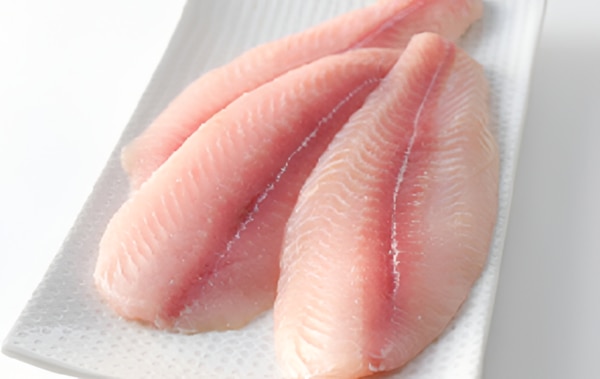
Eliminates Material “Giveaway”: When packaging “1 kg” bags of fish fillets, precise grading ensures the total weight is hit exactly, preventing expensive overpacking.
Consistent Cook Times: Uniformly sized fish are highly desired by restaurants and commercial kitchens because they thaw and cook at the exact same rate.
Increased Market Value: Uniform, well-graded batches of premium seafood command significantly higher market prices than mixed, irregular lots.
Reduced Labor Costs: Automating the grading process reduces the need for large manual sorting teams working in cold, strenuous environments.