Standalone Weighing Conveyor
Description
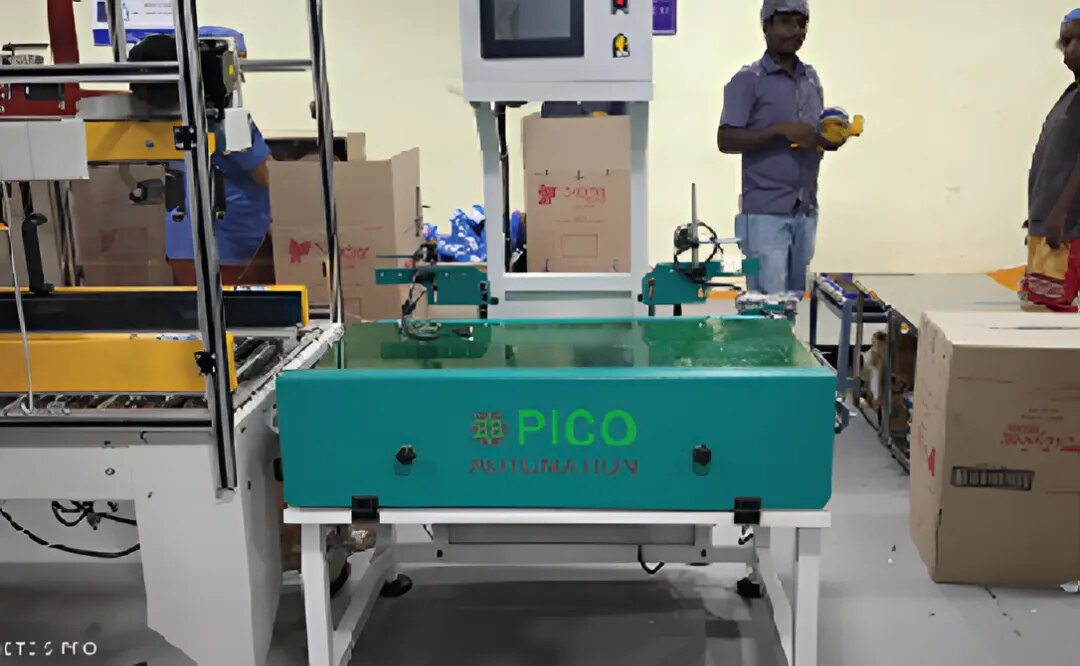
A standalone weighing conveyor typically operates through a highly precise three-step process:
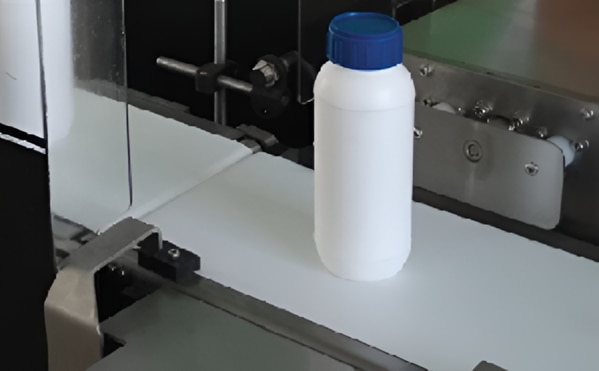
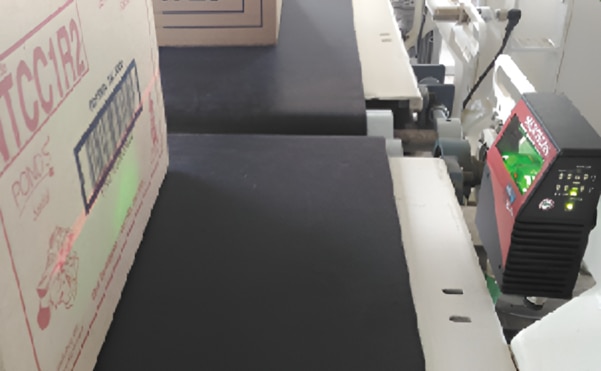
Product Infeed: An item (such as a box, pouch, bottle, or tray) transitions from the main production line onto the weighing conveyor's belt. The system requires the product to be completely isolated on the weighing deck—meaning no other item can touch the belt at the exact millisecond the measurement is taken.
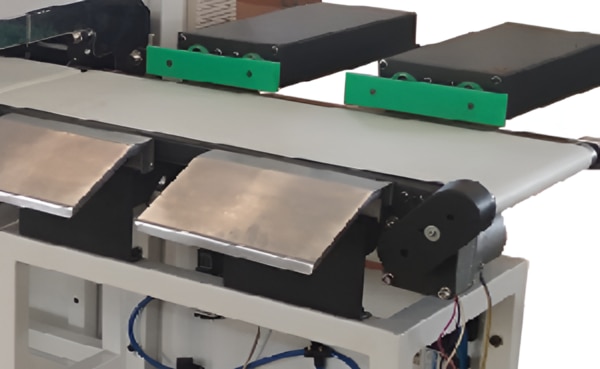
Dynamic Weighing: As the item passes over the center of the conveyor, high-speed digital load cells measure the downward force. Advanced filtering software instantly calculates out the structural vibrations of the conveyor motor to capture the pure weight of the moving product
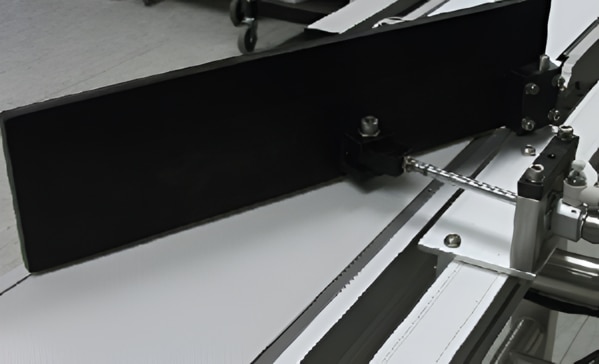
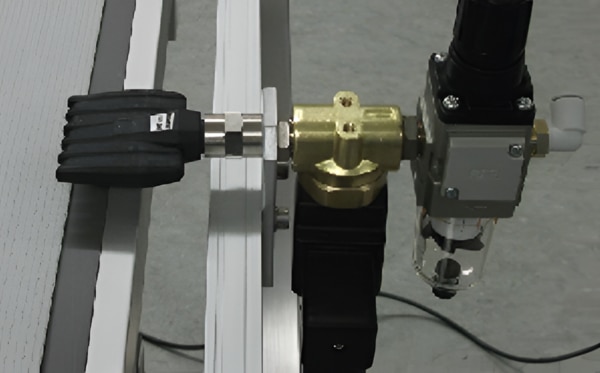
.Data Verification & Action: The internal computer compares the captured weight against your preset target limits (e.g., Target: 500g, Acceptable Tolerance: 5g). If the item is too light or too heavy, the conveyor instantly communicates with an attached downstream reject mechanism (like a pneumatic pusher or air jet) to discard the defective product.
Key Features & Technical Advantages
Dynamic “On-the-Fly” Measuring: Eliminates the need to stop the conveyor to take a measurement, ensuring that high-speed production lines can run at maximum capacity.
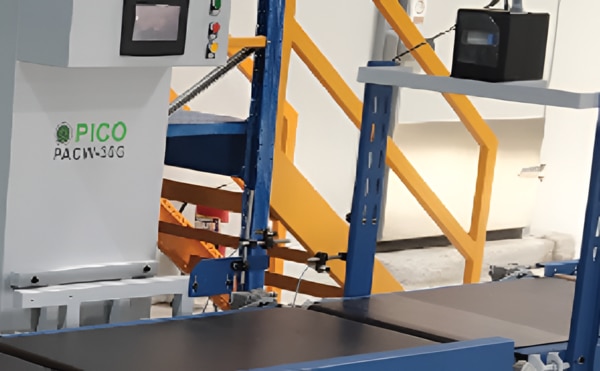
Independent Controls: Features an integrated touchscreen interface (HMI) mounted directly to the frame. This allows operators to change product recipes, calibrate the load cells, and view real-time batch statistics independently of the rest of the factory network.
Highly Adaptable Framing: Usually designed with adjustable floor leveling feet or lockable casters, making it easy to match the exact height of your existing processing machinery.
Data Logging and Connectivity: Modern units log the weight data of thousands of packs, allowing management to export quality control reports or connect the machine to a central ERP system via Ethernet or Wi-Fi.
Why Facilities Use Standalone Units
Protects Profit Margins: Overfilling packages (product giveaway) drains profits over time. Accurate weighing ensures you only ship the exact amount promised.
Regulatory Compliance: Many countries enforce strict “Net Quantity” laws. Shipping under-filled packages can result in severe legal penalties or product recalls.
Plug-and-Play Integration: Because the conveyor doesn't need to be structurally hardwired into the mechanical frames of older upstream machines, it can be integrated into almost any factory floor setup with minimal downtime.