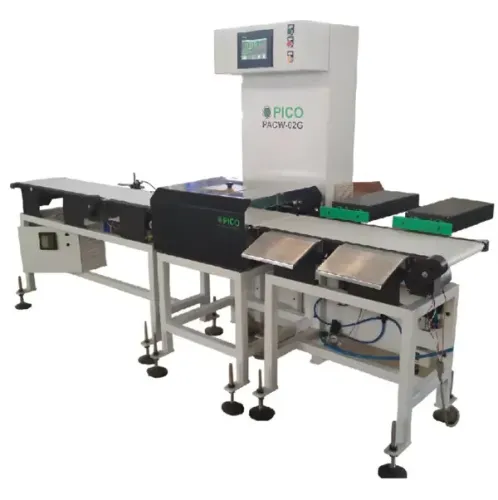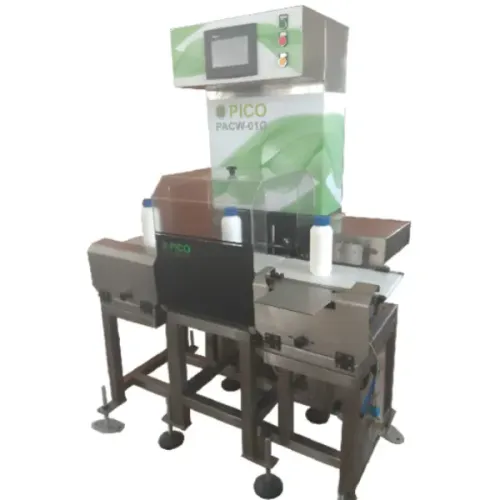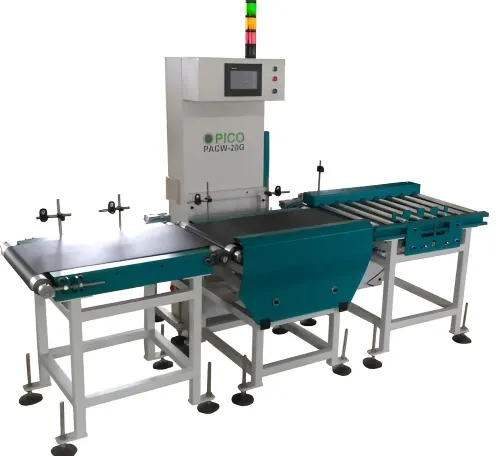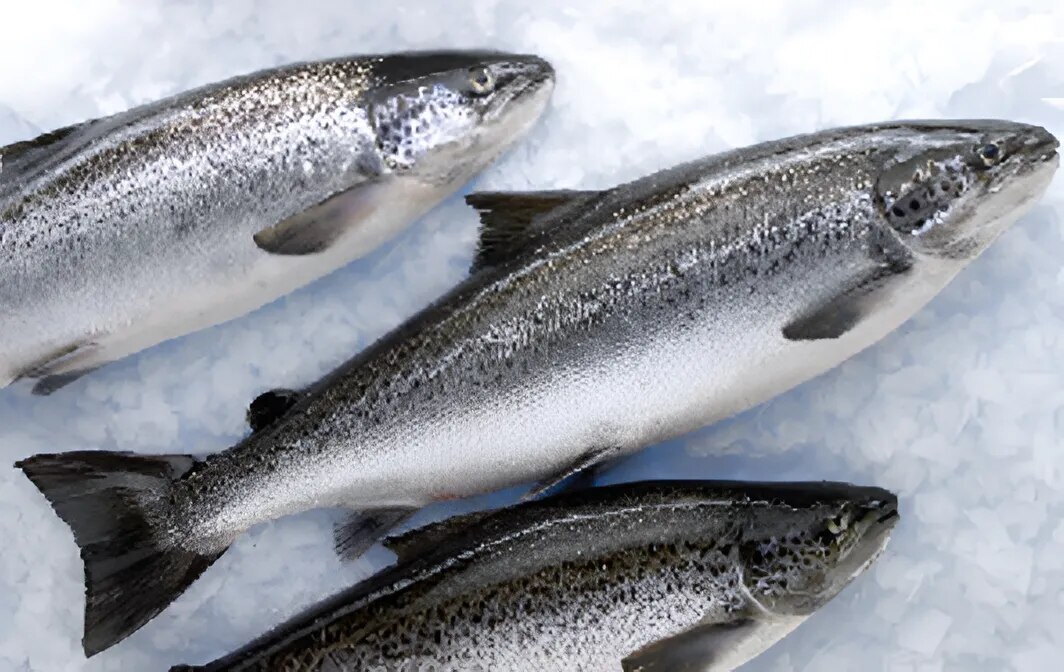
A seafood plant must match the grading method to the fish form, target decision, moisture level, size variation, and downstream packing process. By comparing weight, length, vision, and manual options, then testing throughput and discharge performance with real product, you can specify a grader that produces consistent grades without creating damage or rehandling.
Key takeaways
- Match grading to weight, size, visible quality or human inspection.
- Test singulation with your actual species, product form and line speed.
- Specify accuracy, throughput, reject handling and discharge layout in writing.
- Validate installation with wet-product trials before accepting the grader.
Which fish grading method fits your product and quality decision?
Choose the decision you need to make: saleable mass, physical size, visible quality, or a human judgement. A fish grading machine for seafood processing in Tamil Nadu should match that decision to the product form, not simply the plant’s target pieces per minute.
| Option | Best decision | When it fits | Main limitation |
|---|---|---|---|
| Weight grading | Mass bands | Irregular whole fish, headed-and-gutted fish, fillets, and mixed shapes | Does not identify species or visible damage |
| Length grading | Length or size bands | Uniform fish presented in the same orientation | Bent fish, poor alignment, and overlapping products distort results |
| Vision sorting | Species, colour, shape, defects, or visual size | Products needing appearance-based quality decisions | Water, slime, glare, lighting, and camera fouling cause false accepts or rejects |
| Manual sorting | Combined visual judgement | Fragile products, low volumes, frequent recipe changes, or unusual defects | Labour cost, slower throughput, and operator-to-operator variation |
Weight grading is usually the practical starting point for irregular whole fish because mass remains measurable when shape does not. Length grading becomes repeatable only when fish are consistently oriented and individually presented. For chilled seafood, assess operation near melting-ice temperature in a cold, wet washdown environment.
A vision system suits plants that must separate species or reject bruising, colour defects, damaged fins, or deformities. Test each defect class using actual fish, including slime, surface water, ice, bent fins, and overlaps; an overall accuracy percentage can hide unacceptable false rejects.
If the product needs both mass and appearance decisions, specify one integrated station or two linked stations with product identity retained. Evaluate the fish grading system in Tamil Nadu using production samples, not an empty-belt demonstration.
How do species, product form, and condition change the machine choice?
Species and product form determine the grader more than the species name alone. The selected fish sorting machine for processing plants must cover every production size, from the smallest saleable fish to the heaviest item, without losing weighing resolution or damaging fragile flesh.
| Option | Best product fit | Conditions to verify |
|---|---|---|
| Weight grader | Whole round, headed-and-gutted fish, irregular shapes | Weigh-cell capacity, smallest and largest fish, ice, slime, surface water, bent fins |
| Length grader | Uniformly oriented whole fish or portions | Consistent head-to-tail presentation, straightness, minimum and maximum length |
| Vision grader | Species, colour, visible defects, shape or size | Lighting, glare, droplets, slime, camera fouling, orientation and overlapping fish |
| Manual line | Fragile, mixed, highly variable or low-volume products | Operator access, inspection lighting, chilled exposure time and sorting consistency |
Test chilled fish at a temperature close to melting ice, not on dry laboratory samples. Assess frozen fish and frozen blocks at their actual product temperature; cold surfaces, frost and brittleness change handling and detection.
Use samples from each species, season and size distribution in Tamil Nadu. Record whether fish arrive wet, slimy, iced, glazed, skin-on, filleted or partially frozen. For vision systems, measure false accepts and false rejects separately for every defect class.
Store separate recipes for product type, weight bands, speed, tare, reject timing and alarm limits, with access control and change logs.
How should you calculate throughput and test singulation?
1. Convert the production target into individually presented fish per minute: daily kilograms ÷ average fish weight in kilograms ÷ net running minutes.
If the plant must grade 8,000 kg in an 8-hour shift, the average fish weighs 0.8 kg, and only 420 minutes are available after washing, changeover, and cleaning, the requirement is 23.8 fish per minute. Specify at least that rate at the actual weight range, not at an empty-belt speed.
2. Add the loading pattern to the request. State fish size distribution, spacing, number of grades, number of discharge outlets, allowable overlap, and the reject or recheck route.
An automatic fish grader India supplier’s quoted rate is incomplete without these conditions; too many grades or one slow outlet can reduce useful throughput even when the belt runs faster.
3. Test singulation with representative local product, including the smallest and largest fish, surface water, slime, ice, bent fins, and normal size variation. Run the intended belt speed and loading density, then record each fish on video as it enters, crosses, and leaves the weighing or vision zone.
4. Count touching fish, overlapping fish, missed detections, double readings, unstable weights, wrong grades, and rejects. Repeat the trial at normal and peak loading. A fish that touches its neighbour can be read as one load or diverted incorrectly, so accept the machine only against written limits for overlap, misread rate, repeatability, and reject rate.
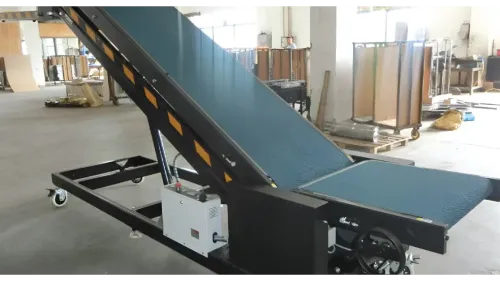
5. Check that the singulator or metering conveyor maintains the required pitch through washdown and wet operation. Ask for dynamic accuracy at the planned speed and product range, not static accuracy measured with a stationary test weight.
What specifications, accuracy, and discharge details belong in the purchase request?
Put pass/fail numbers in the purchase request, not “high accuracy.” Specify dynamic accuracy and repeatability at the target conveyor speed, fish-weight range, spacing, and loading pattern; static bench accuracy does not predict line performance.
| Measure | Requirement to state | Evidence to request |
|---|---|---|
| Dynamic weighing | ± g or % at __ fish/min | Trial data using your fish |
| Repeatability | Maximum variation across 10 repeated readings | Test report at minimum, median, and maximum weights |
| Grade bands | Weight limits, tolerance, and number of grades | Sample results showing boundary decisions |
| Discharge | Outlet count, actuator type, timing, and reject rate | Demonstration with overlap, recheck, and reject cases |
Define useful capacity as individually presented fish per minute, with pitch, allowable overlap, product size, number of outlets, and recheck handling stated. A speed-only quotation hides the bottleneck.
Ask the supplier to document these interfaces:
- Belt width, conveyor elevations, transfer-gap maximum, and product orientation
- Servo, pneumatic, or mechanical discharge, including response time and compressed-air pressure, filtration, and moisture limits
- Maximum fish length, weight, softness, and drop height at every transfer
- Chilled, wet-environment operation and the washdown method, including chemical compatibility
- Electrical supply, emergency circuits, data protocol, recipe-change steps, and stored audit records
For an automatic fish grader India purchase, require trials using your actual species and loading pattern. Any fish grading equipment in coimbatore should also prove that trays, tubs, or totes do not obstruct discharge. If RFID tracks lots rather than grades, specify read rate at production speed; water and metal can reduce passive UHF performance.
Where should the grader sit in the line, and how should the plant validate installation?
Place the grader after the last process that changes the product being measured: after washing, heading, gutting, or filleting, and before glazing, freezing, or packing when the sale grade is based on unglazed weight. A post-freeze grader suits frozen portions, but glaze, surface ice, and block adhesion can distort weight and damage fragile fillets.
Validate a fish grading system in Tamil Nadu with actual local samples, not an empty-belt demonstration. Run each species and product form at the intended speed, including wet fish, slime, bent fins, ice, the full size distribution, and deliberate overlaps; record dynamic accuracy, repeatability, missed grades, and reject timing.
Your installation acceptance checklist should confirm:
- Upstream and downstream conveyor elevations, belt width, transfer-gap size, singulation space, and discharge alignment
- Reject-actuator timing at maximum speed, with no fish striking the frame or falling between belts
- Washdown method, drainage, accessible food-contact surfaces, and hygiene controls for the cold, wet room
- Electrical supply, protected panels, compressed-air pressure and filtration, emergency stops, and guarding
- Recipe access control, change logging, alarm limits, target bands, tare settings, and speed settings
- Data exchange with the plant system through the specified protocol, plus a documented recovery procedure after faults
For fish grading equipment in Coimbatore, request these interface drawings before fabrication. Pico Automation can use them to resolve conveyor handoffs and controls rather than leaving manual rehandling as the installation fix.
Related products
 | Grading System An industrial fish grading line operates in a continuous, high-speed loop: Infeed & Singulation: Harvested or processed fish are loaded onto an... View product → |
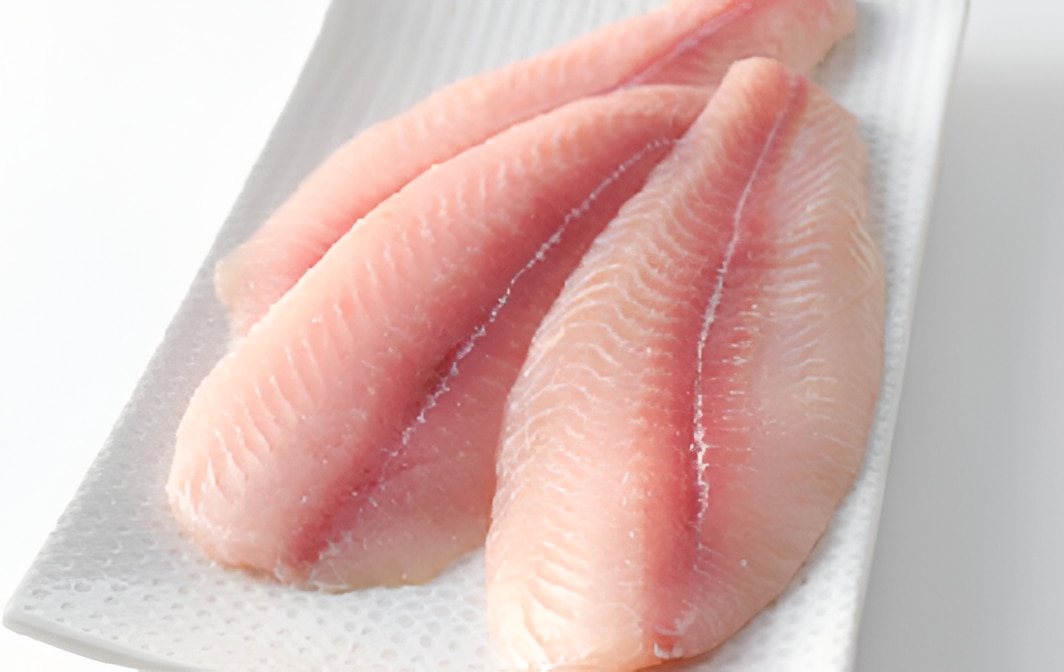 | Grading System The system operates inline and processes fillets at incredibly high speeds (often hundreds of pieces per minute) through a four-step automated loop:... View product → |
Frequently asked questions
Which fish grading method fits a seafood processing plant?
Choose weight grading for saleable mass, dimension grading for physical size, vision grading for visible characteristics, or manual inspection when the decision depends on judgement.
How do species, product form and condition affect fish grader selection?
Species, whole or filleted form, moisture, surface condition, size variation and damage risk determine the conveyor, sensors, spacing and handling method the grader needs.
How should a plant calculate fish grader throughput?
Calculate required pieces per minute from peak production, then test singulation using the actual fish, spacing, orientation and line speed rather than relying only on a catalogue rate.
What should a fish grading machine purchase request specify?
State product dimensions and weight range, target throughput, grading bands, accuracy, washdown requirements, conveyor materials, reject handling, discharge positions and data outputs.
Where should a fish grader sit in the processing line?
Install it after the process that creates the grading decision and before packing or routing, with enough space for singulation, inspection, cleaning, access and downstream discharge validation.
Keywords