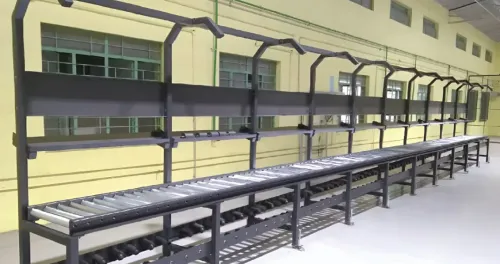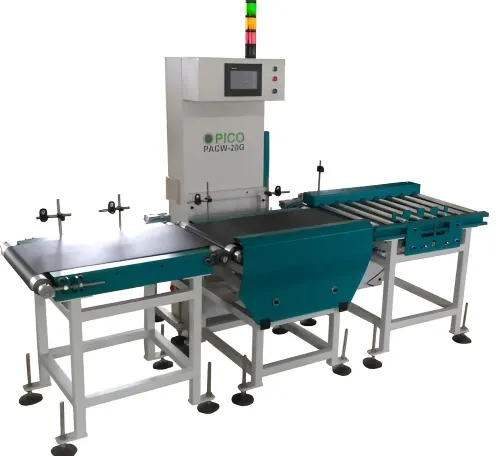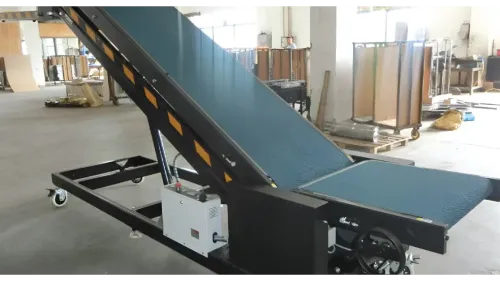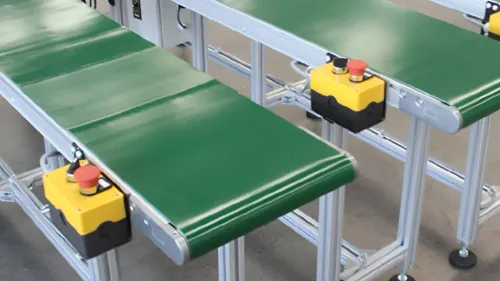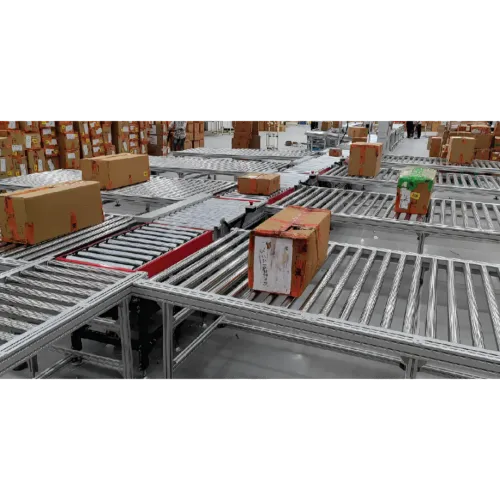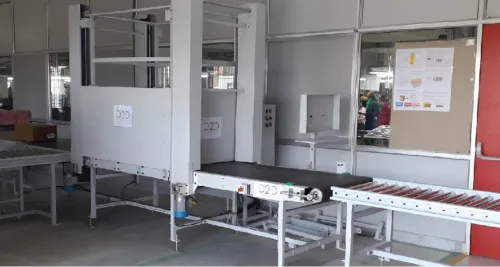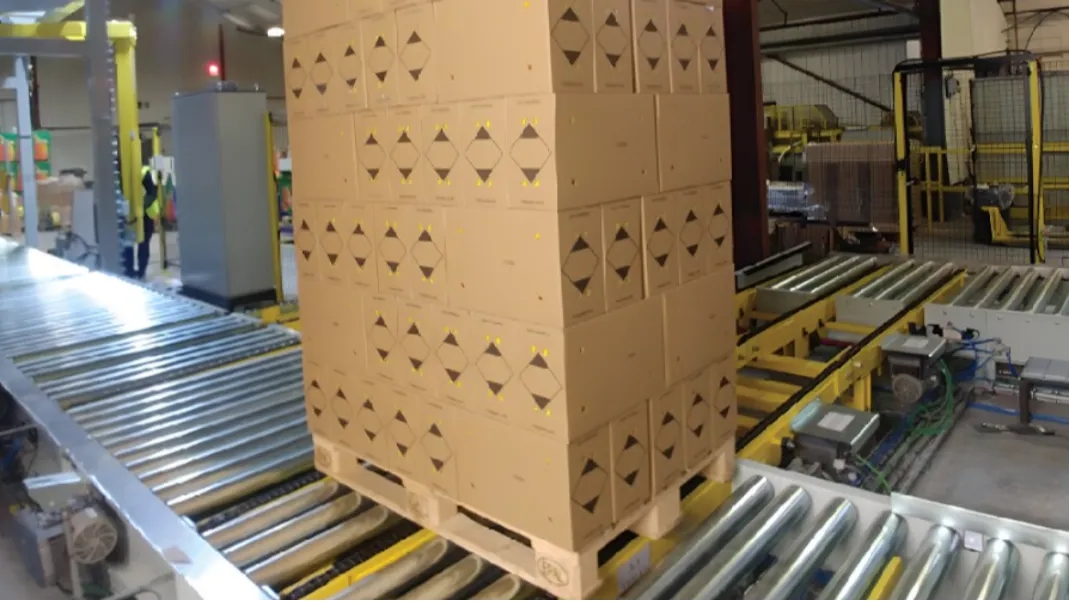
Forklifts and pallet trucks are flexible tools, but relying on them for every movement can create congestion around production cells, storage zones, and dispatch areas. As pallet volumes rise, businesses may need a more repeatable way to transfer loads between fixed points.
A Pallet Transfer Conveyor can provide controlled movement, but the facility must be operationally and physically ready for automation.
Pallet Movements Have Become Predictable
Conveyor automation is most suitable when pallets repeatedly travel along defined routes. If origins, destinations, and movement timing change constantly, forklifts may remain the more flexible option.
Readiness is stronger when the business can identify:
- Consistent pickup and drop-off points
- Regular pallet dimensions
- Stable daily or hourly volume
- Repeatable production sequences
- Clearly defined accumulation requirements
- Known interfaces with storage or machinery
A movement study can reveal which routes are stable enough to automate.
The Pallet Quality Is Controlled
Damaged pallets, missing deck boards, loose nails, and inconsistent runner orientation can cause stoppages or unsafe transfers. Before automation, the facility should define approved pallet types and inspection procedures.
The direction in which the pallet enters the conveyor affects whether rollers or chains provide suitable support. Load overhang, centre of gravity, and pallet deflection must also be assessed.
Testing should include the heaviest, lightest, tallest, and least stable loads expected in routine operation.
Forklift Congestion Is Affecting Performance
One readiness indicator is frequent interaction between forklifts, pedestrians, and production equipment. A fixed conveyor route can reduce some vehicle journeys, although it also introduces a permanent structure into the floor layout.
The proposed route should be assessed for pedestrian crossings, fire exits, maintenance access, column positions, and future plant changes. Transfers across forklift aisles may require controlled gates, barriers, or alternative layouts.
A safety review is necessary before equipment design is finalised.
Production Requires Repeatable Timing
Automated pallet movement is valuable when upstream or downstream machines need dependable feeding. Sensors and controls can release pallets according to process availability, maintain accumulation, and prevent collisions.
The sequence should define what happens when a destination is occupied, a pallet fails to transfer, or downstream equipment stops. Fault recovery must be understandable to operators without encouraging unsafe manual intervention.
The Floor and Utilities Are Suitable
Loaded pallets impose substantial forces on conveyor frames, supports, and floors. The installation area must be level enough for accurate alignment and structurally appropriate for the equipment and load.
Electrical supply, controls, compressed air where required, protective fencing, and maintenance clearance should be planned. Layout measurements need to include columns, doors, drains, utility lines, and nearby machinery.
The Business Can Support Maintenance
Pallet conveyors may use powered rollers, chains, transfer units, turntables, lifts, sensors, and control panels. Maintenance staff need training, documentation, spare-parts guidance, and safe isolation procedures.
A facility is not fully ready if it has no plan for inspection, lubrication, alignment, fault response, and critical spares.
A Site Assessment Confirms the Business Case
Pico Automation evaluates pallet loads, routes, equipment interfaces, and plant layouts for manufacturers and warehouses in Coimbatore and other parts of Tamil Nadu. This engineering review can determine whether a complete conveyor route or a smaller transfer section is more appropriate.
Readiness is not defined by pallet volume alone. Standardised loads, stable routes, safe floor planning, controls integration, maintenance capability, and measurable operational benefits must align. When those conditions are present, pallet conveying can reduce repetitive vehicle movement and provide more predictable material flow.
Keywords