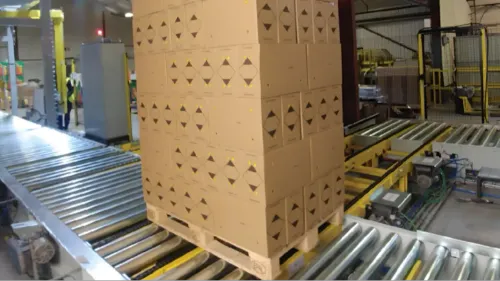
End-of-line packaging often becomes a bottleneck after upstream production has already been automated. Operators may manually fold carton flaps, apply tape, rotate boxes, position straps, and move completed packages to dispatch.
An Automatic Strapping and Carton Sealing Machine arrangement can improve consistency and throughput, but the equipment must be selected around the cartons, packaging standards, and production sequence.
Define What Needs to Be Automated
Carton sealing and strapping perform different functions. A carton sealer closes the flaps and applies adhesive tape. A strapping machine places tensioned plastic strap around the carton to reinforce or unitise the package.
Some operations require only sealing. Others seal cartons first and then apply one or more straps. The project scope should clearly state whether operators will manually present cartons or whether the line must automatically detect, position, seal, strap, and discharge them.
Examine the Carton Range
Equipment selection depends on minimum and maximum carton length, width, height, and weight. Carton quality is equally important.
Poorly formed boxes, bulging contents, weak board, uneven flaps, or inconsistent dimensions can reduce automation reliability. Random-size carton sealers may be useful where package dimensions vary continuously, while uniform-batch machines can suit lines running one size for extended periods.
If carton sizes change, determine how adjustments will occur and how much operator involvement is acceptable.
Set a Realistic Throughput Target
The machine should support actual and peak production without becoming a constraint. However, quoting cartons per minute does not fully describe performance.
Spacing, strap quantity, strap position, tape length, carton stability, upstream release timing, and downstream accumulation all affect output. A line applying two straps per carton will have a different cycle from one applying a single strap.
The complete sequence should be demonstrated with representative packages.
Review Tape and Strap Requirements
Confirm tape width, adhesive type, strap material, strap width, tension range, and joint method. Excessive tension can deform lightweight cartons, while insufficient tension may fail to secure a heavy package.
The sealing head must apply tape consistently across the intended flap length. Consumable changeover should be straightforward, with safe access and clear threading guidance.
Businesses should also verify whether locally available consumables meet the machine’s specifications.
Plan Conveyor and Control Integration
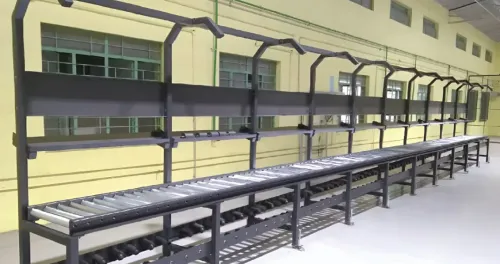
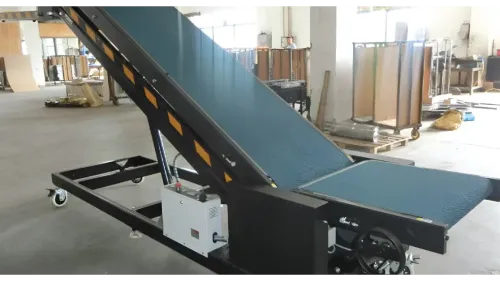
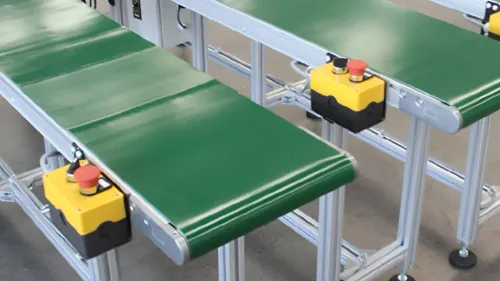
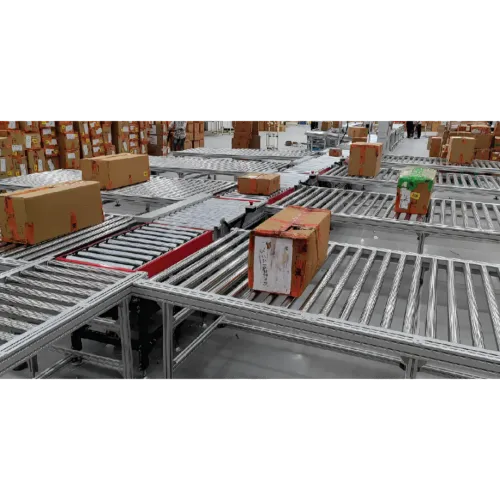
Cartons must arrive squarely and with adequate spacing. Side belts, top drives, guides, stops, and sensors may be used to stabilise and position the pack.
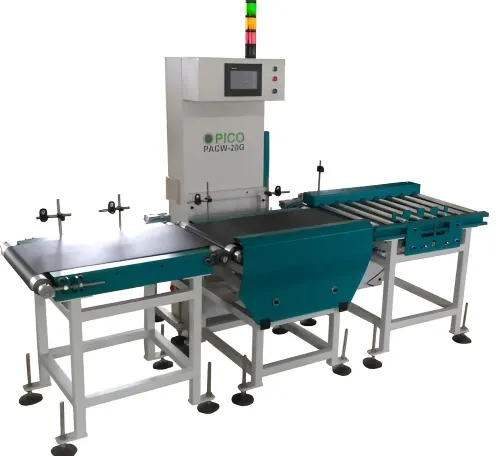
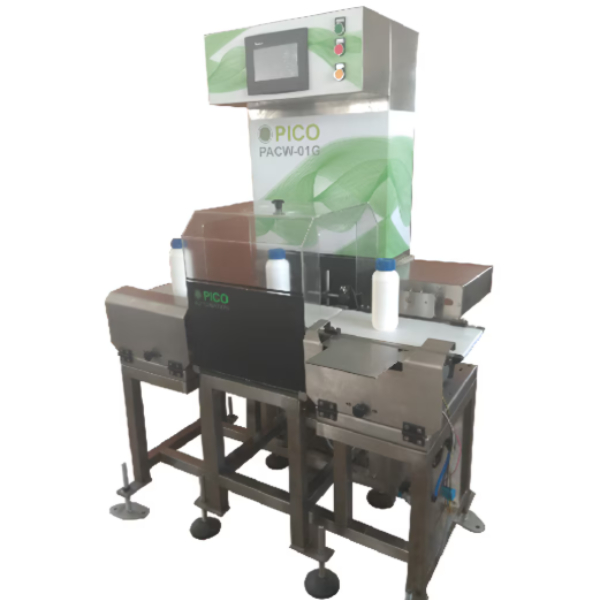
If the equipment connects with filling, weighing, labelling, inspection, or sorting systems, start-stop signals and fault conditions must be coordinated. The control logic should prevent carton collisions when the sealing or strapping station is occupied.
Rejected, damaged, or unsealed cartons need a defined handling process.
Evaluate Safety and Maintenance
Guarding, emergency stops, electrical protection, and safe access are necessary around moving belts, compression areas, cutters, and strapping mechanisms.
Daily cleaning and inspection requirements should be clear. Maintenance teams may need spare heaters, cutters, tensioning components, belts, sensors, or sealing-head parts depending on the machine design.
Operator training should cover consumable loading, jam removal, size adjustment, alarms, and safe restart procedures.
Select a Provider That Understands the Complete Line
Pico Automation develops conveyor and end-of-line material-handling solutions for manufacturing, packaging, FMCG, and logistics operations in Coimbatore and across Tamil Nadu. Evaluating the equipment as an integrated packaging cell can prevent problems at the transitions between machines.
Before purchase, request a trial using actual cartons, tape, strap, contents, and intended production speed. The right solution should create repeatable package quality while fitting existing labour practices, floor space, maintenance capability, and future output requirements.
Keywords