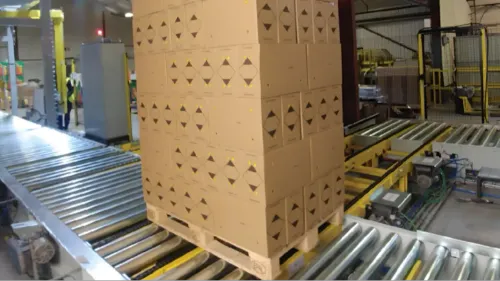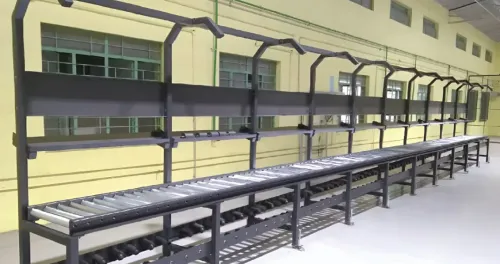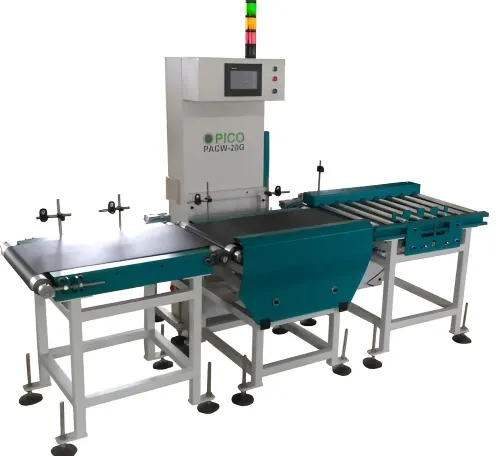

Modern airports manage thousands of pieces of baggage every day. From check-in counters to security screening, sorting areas, and baggage claim belts, luggage must move quickly and accurately without delays. An experienced Airport Luggage Conveyor System Manufacturer plays a crucial role in designing systems that keep airport operations running efficiently while enhancing passenger experience.
As airports continue expanding to accommodate increasing passenger traffic, automated baggage handling systems have become essential infrastructure rather than optional equipment.
How Airport Luggage Conveyor Systems Work
Airport baggage handling involves several connected processes that must function together seamlessly.
A typical conveyor system performs tasks such as:
- Receiving checked baggage
- Transporting luggage to security screening
- Moving baggage to sorting stations
- Routing luggage to departure gates
- Delivering arriving baggage to claim carousels
Each stage relies on precise automation to ensure every bag reaches its intended destination on time.
Challenges Airports Face Without Efficient Conveyor Systems
Poorly designed baggage handling systems can create operational problems, including:
- Flight delays
- Misrouted baggage
- Long passenger waiting times
- Increased manual handling
- Higher labor costs
- Congestion during peak travel hours
Efficient conveyor automation minimizes these risks while supporting smooth airport operations.
Key Features of Modern Airport Conveyor Systems
Today's baggage handling solutions incorporate advanced technologies that improve speed, accuracy, and reliability.
Important features include:
High Throughput Capacity
The system should efficiently transport thousands of bags during busy travel periods.
Gentle Product Handling
Conveyors should protect luggage from unnecessary impact and damage throughout transportation.
Intelligent Routing
Automated controls direct baggage to the correct destination based on operational requirements.
Continuous Operation
Airport systems are expected to operate around the clock with minimal downtime.
Modular Design
Expandable layouts allow airports to accommodate future growth without replacing the entire system.
Benefits of Automated Baggage Handling
Well-designed airport conveyor systems provide several operational advantages.
These include:
- Faster baggage movement
- Improved passenger satisfaction
- Reduced manual handling
- Better operational efficiency
- Lower maintenance costs
- Enhanced workplace safety
- Consistent baggage tracking support
These benefits contribute to smoother airport operations and improved service quality.
Integration with Airport Technologies
Modern conveyor systems are designed to work alongside other airport technologies.
Common integrations include:
- Barcode scanners
- RFID baggage tracking
- Security screening equipment
- Automated sorting systems
- Flight information systems
- Central monitoring software
This connected approach enables better visibility and operational control across the baggage handling process.
Factors to Consider When Selecting a Manufacturer
Airport infrastructure projects require specialized engineering capabilities.
Before selecting a manufacturer, evaluate:
- Experience with large-scale conveyor systems
- Custom engineering capabilities
- Compliance with airport operational standards
- Energy-efficient designs
- Maintenance support
- Future expansion flexibility
- Availability of spare parts
These considerations help ensure long-term reliability and operational performance.
Supporting India's Growing Aviation Infrastructure
With passenger traffic increasing across India, airports continue investing in advanced baggage handling technologies that improve efficiency while reducing operational complexity. Infrastructure contractors, engineering consultants, and airport authorities increasingly prioritize conveyor systems that offer dependable performance and scalability.
Manufacturers developing airport projects often work with automation specialists capable of delivering customized conveyor solutions. Companies such as Pico Automation design material handling and conveyor systems that can be adapted for demanding industrial and infrastructure applications, combining engineering precision with reliable automation expertise.
Keywords