Warehouses and fulfilment centres often begin sorting orders manually. As volumes increase, teams may spend more time reading labels, moving cartons, and correcting routing mistakes. Dispatch lanes become congested, and late cut-off periods place additional pressure on the operation.
A Warehouse Sorting Conveyor System can automate destination decisions, but only when the sorting technology matches the product mix and workflow.
Start With Operational Data
The correct sorter cannot be selected from peak volume alone. A useful assessment should examine:
- Items or cartons handled per hour
- Daily and seasonal peaks
- Product dimensions and weight range
- Packaging quality and base condition
- Number of destinations
- Required sort accuracy
- Available floor space and clear height
- Order profile and dispatch cut-off times
- Upstream identification method
- Downstream accumulation capacity
Actual data is more dependable than broad assumptions. Unusual products and exception cases should be included because they often determine the final design.
Understand Common Sorting Approaches
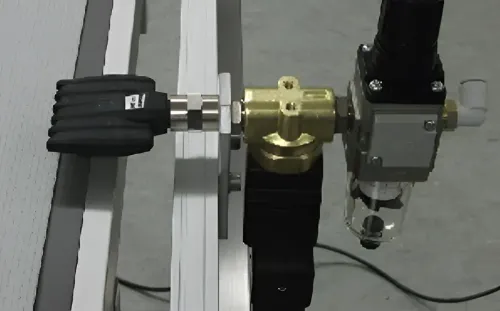
Simple operations may use pneumatic pushers or powered diverters to direct cartons into a limited number of lanes. These solutions can be practical where products are stable and the destination count is manageable.
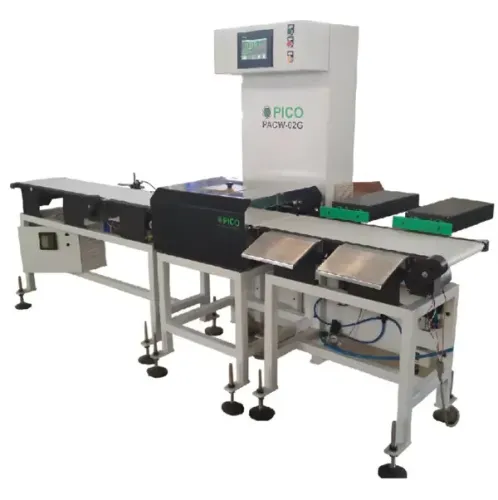
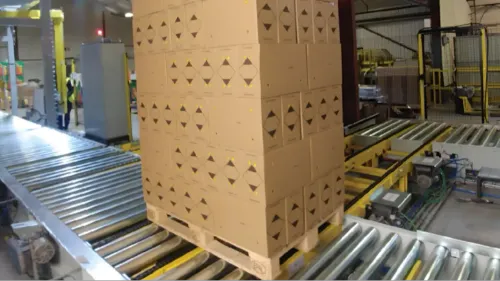
More complex operations may require pop-up transfers, angled roller arrangements, belt-based diverting, or other specialised mechanisms. The ideal method depends on speed, product stability, required divert angle, and available space.
Fragile, lightweight, soft-bottomed, or irregular packages require particular attention. A sorting action suitable for rigid cartons may not work reliably with polybags.
Identification Comes Before Diversion
The system must determine where each item should go before it reaches the sorting point. Identification may rely on barcodes, QR codes, RFID tags, order data, or operator input.
Reader placement, label quality, product orientation, and database response time all affect results. A no-read strategy is equally important. Items that cannot be identified should travel to a controlled exception lane rather than being sent to an uncertain destination.
Avoid Downstream Bottlenecks
Increasing sorter speed does not automatically improve warehouse throughput. If destination chutes fill quickly or operators cannot clear completed orders, products will accumulate and the conveyor may stop.
The entire flow should be balanced from induction through identification, sorting, lane accumulation, packing, and dispatch. Peak simulations can reveal whether one area is likely to become a constraint.
For e-commerce fulfilment centres, the design should also accommodate changes in SKU mix and order patterns.
Compare Automation With the Existing Process
A sorter’s value may come from more than labour reduction. It can provide:
- More consistent routing
- Lower manual travel
- Faster order consolidation
- Improved dispatch visibility
- Reduced handling damage
- Better use of limited floor space
- Traceable destination decisions
However, automation also introduces maintenance, training, software integration, and spare-parts requirements. These operating costs should be included in the evaluation.
Plan for Expansion and Exceptions
Warehouses rarely remain static. New customers, service areas, product categories, and delivery partners may increase the number of sort destinations.
A modular design can make expansion easier, but only if the controls, electrical capacity, layout, and software architecture allow it. Teams should also define processes for damaged cartons, unreadable labels, oversized goods, and system downtime.
Work With a System Integrator
Pico Automation develops conveyor solutions for warehouses, logistics companies, and industrial users in Coimbatore and across Tamil Nadu. A site-based evaluation can help connect equipment selection with actual aisle widths, loading patterns, dispatch processes, and integration needs.
The right sorting system is the one that processes the real product mix accurately at peak demand without moving the bottleneck elsewhere. A detailed operational study should always precede equipment selection.
Keywords