A conveyor is often viewed as equipment that moves goods from one point to another. In practice, its design can influence production speed, worker movement, product damage, machine utilisation, and the amount of manual handling required across an industrial facility.
An experienced Industrial Conveyor System Manufacturer begins by studying the process rather than selecting a standard conveyor from a catalogue.
Map the Existing Material Journey
The first step is to observe how products currently travel through the facility. This includes receiving, storage, processing, inspection, packing, dispatch, and any points where items wait between operations.
A material-flow study should identify:
- Repeated lifting or carrying
- Congested aisles
- Long travel distances
- Product accumulation points
- Unsafe crossings between people and materials
- Machines waiting for manual feeding
- Frequent product drops or damage
- Areas where future expansion is planned
This assessment helps define where conveyor automation can provide genuine value.
Match the Conveyor to the Load
There is no universal conveyor for all products. Lightweight cartons, loose components, filled bags, pallets, airport baggage, food packages, and irregular parcels behave differently.
Important selection factors include product dimensions, weight, base condition, temperature, fragility, and whether the item can change orientation during travel. The intended function also matters. A system designed for straightforward transport differs from one used for sorting, accumulation, inspection, elevation, or controlled positioning.
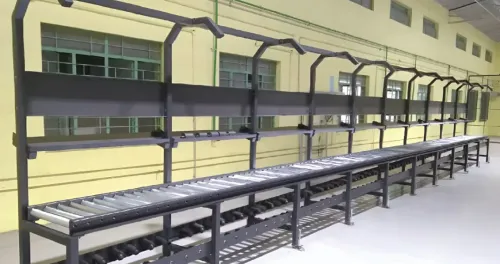
Depending on the requirement, manufacturers may consider belt conveyors, roller conveyors, modular belt systems, chain conveyors, pallet conveyors, or a combination of technologies.
Design Around People and Access
Automation should make the workplace easier and safer to operate. Walkways, emergency exits, maintenance zones, loading points, and operator workstations must remain accessible.
Guarding should prevent contact with dangerous moving parts without making routine maintenance unnecessarily difficult. Emergency stops must be positioned logically, and the system should respond predictably during jams, overloads, or power interruptions.
A formal risk assessment remains essential because conveyor hazards differ by application and plant layout.
Plan Controls as Part of the System
The mechanical structure and control logic should be designed together. Sensors can detect products, maintain gaps, control accumulation, count units, and communicate with adjacent equipment.
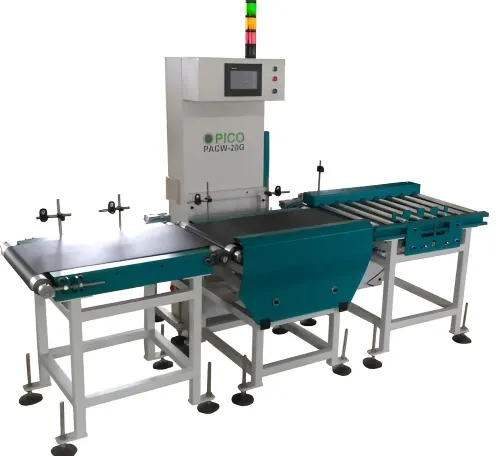
Variable-speed drives may allow throughput adjustment, while programmable controls can coordinate multiple conveyor zones. Applications involving sorting, RFID, weighing, strapping, sealing, or pallet transfer usually require more detailed sequence planning.
Clear fault messages and accessible controls can reduce the time operators spend diagnosing routine issues.
Consider Maintenance From the Beginning
A conveyor that is difficult to clean, inspect, tension, or repair will create avoidable downtime. Bearings, motors, rollers, belts, chains, sensors, and pneumatic parts should be positioned with service access in mind.
The maintenance team should receive drawings, component information, operating guidance, and recommended inspection schedules. Locally available standard components may simplify future replacement.
Account for Coimbatore’s Industrial Conditions
Coimbatore supports textile, engineering, pump, automotive-component, food-processing, packaging, and other manufacturing activities. Conveyor systems serving these sectors may encounter dust, oil, moisture, temperature changes, frequent washdown, or multi-shift operation.
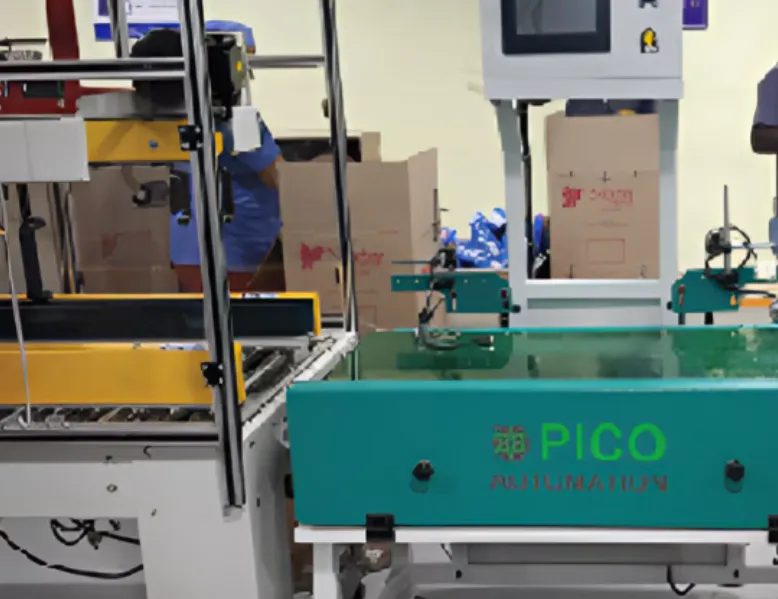
Pico Automation develops material-handling solutions with attention to these operating realities. For industrial customers in Coimbatore and elsewhere in Tamil Nadu, proximity can also support site measurement, installation coordination, commissioning, and service.
Measure Performance After Installation
A conveyor project should be evaluated using practical indicators such as throughput, manual-handling reduction, product-damage rate, stoppage frequency, energy consumption, and maintenance time.
Successful conveyor automation does not merely add equipment to the factory floor. It creates a controlled route through which people, products, and machines can work together more efficiently.
Keywords