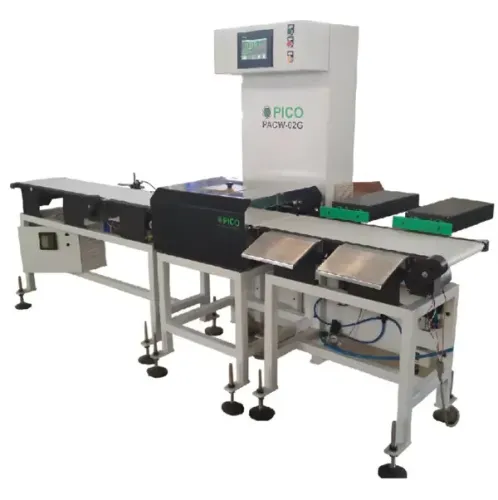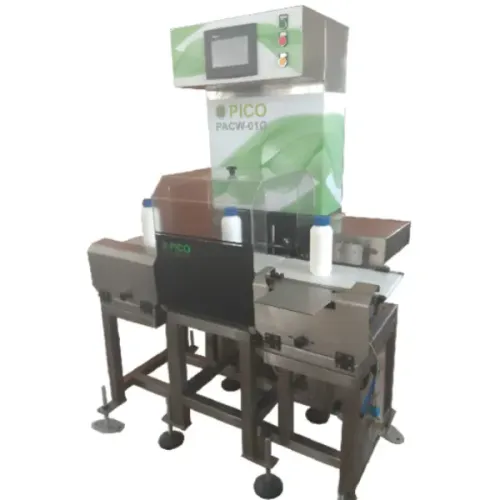
Accurate weight verification is essential in food processing, pharmaceuticals, packaging, FMCG production, and many other manufacturing environments. An unreliable checkweigher can allow underweight or overweight packs to move forward, resulting in product loss, compliance concerns, rejected consignments, and customer complaints.
Selecting a capable Checkweigher Machine Manufacturer therefore requires more than comparing machine prices. Manufacturers should evaluate whether the equipment can maintain dependable performance at the required production speed and integrate smoothly with existing operations.
Begin With Your Product and Process
The correct checkweigher depends on what is being inspected. Before approaching a manufacturer, document the following:
- Minimum and maximum product weight
- Product dimensions and packaging type
- Required packs per minute
- Acceptable weight tolerance
- Existing conveyor height and direction
- Washdown or hygiene requirements
- Available installation space
- Preferred rejection method
A line handling sealed snack packets has different requirements from one weighing cartons, bottles, pouches, or pharmaceutical products. Sharing real production samples can help the equipment manufacturer recommend a more suitable configuration.
Evaluate Weighing Accuracy at Actual Speed
A machine may perform well during a slow demonstration but produce inconsistent readings when operated at normal production speed. Ask the manufacturer to explain the expected accuracy under realistic line conditions.
Product spacing, belt vibration, air movement, conveyor transitions, and unstable packaging can affect measurement. A technically competent provider will examine these factors rather than quoting a single accuracy figure without understanding the application.
Manufacturers in Coimbatore and other industrial regions of Tamil Nadu should also consider the operating environment. Heat, dust, moisture, floor vibration, and cleaning practices can influence equipment design.
Check the Reject Mechanism
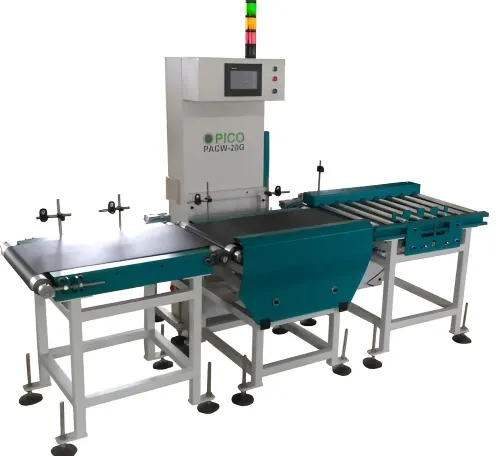
A checkweigher should do more than detect an incorrect pack. It must separate that pack reliably without disrupting acceptable products.
Common rejection arrangements include:
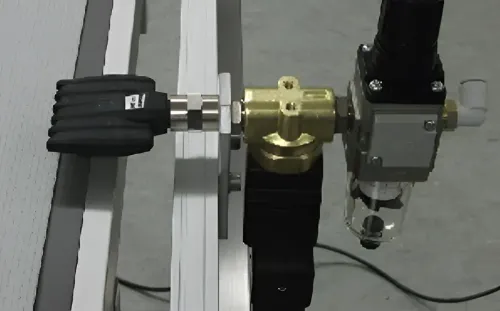
- Pneumatic pushers
- Air-blast systems
- Flap or drop rejection
- Retracting conveyors
- Diverter mechanisms
- Stop-and-alarm configurations
The right choice depends on product weight, dimensions, speed, stability, and fragility. The system should also provide confirmation that the rejected item has been removed successfully.
Review Controls and Data Capabilities
Modern checkweighers can support production monitoring in addition to weight inspection. Depending on the application, useful functions may include recipe storage, password-controlled access, batch reports, weight trends, production counts, alarm history, and integration with plant-level systems.
Check whether operators can change products without complicated recalibration. The display should be clear enough for routine use while restricting critical settings to authorised personnel.
Consider Integration Experience
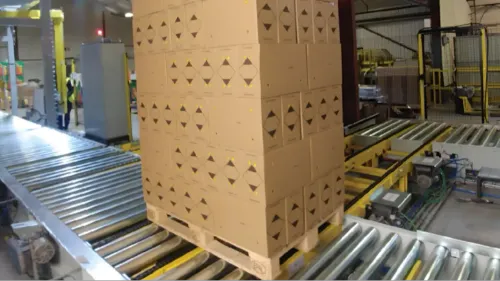
Installing a weighing system into an existing line requires careful coordination. Conveyor heights, belt speeds, product gaps, sensor positions, electrical interfaces, and upstream equipment behaviour must all be considered.
Pico Automation works with industrial customers in Coimbatore and across Tamil Nadu on conveyor and material-handling applications. This combined understanding of weighing and product movement can be valuable when a checkweigher must communicate with filling, packing, coding, inspection, or rejection equipment.
Examine Service and Maintenance Support
Load cells, belts, bearings, sensors, pneumatic components, and control systems require periodic inspection. Before making a purchase, ask about:
- Installation and commissioning support
- Operator and maintenance training
- Preventive maintenance requirements
- Spare-parts availability
- Troubleshooting response
- Calibration assistance
- Warranty coverage
A low initial quotation can become expensive if technical assistance or replacement parts are difficult to obtain.
Request a Product Trial
Whenever possible, conduct a trial using representative products at the intended line speed. Observe whether the machine maintains stable readings, detects out-of-tolerance packs, and rejects them cleanly.
The best checkweigher is not simply the machine with the most specifications. It is the one designed around the product, production rate, accuracy requirement, operating conditions, and future needs of the plant.
Keywords