Manufacturers often need to decide whether products should be weighed manually at a stationary scale or automatically while travelling along the production line. Both methods can be useful, but they solve different operational problems.
A Dynamic Checkweigher Machine is generally intended for continuous production, whereas static weighing is better suited to samples, occasional checks, or processes in which an item can be stopped and positioned manually.
How the Two Methods Differ
Static weighing requires a product to remain still on the weighing platform until a stable reading is obtained. It can offer precise measurement under controlled conditions, but the process relies heavily on manual handling when used away from an automated line.
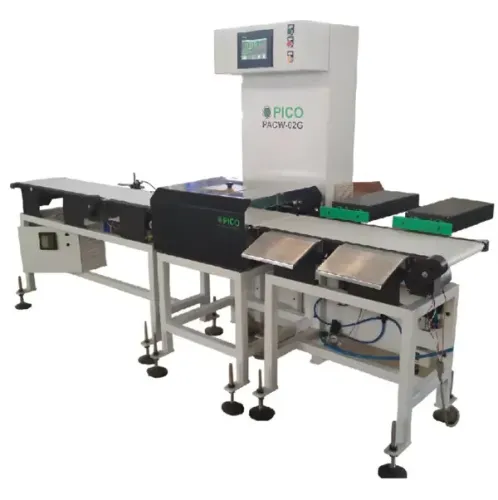
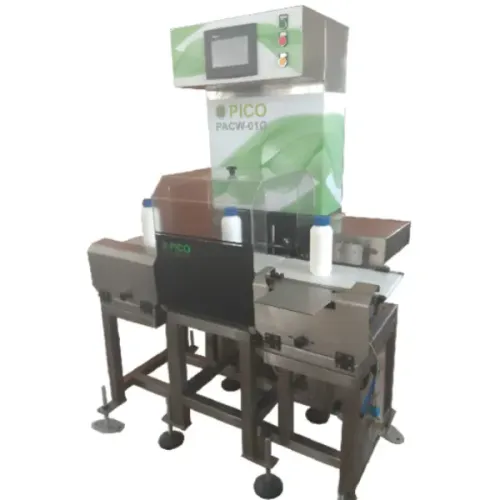
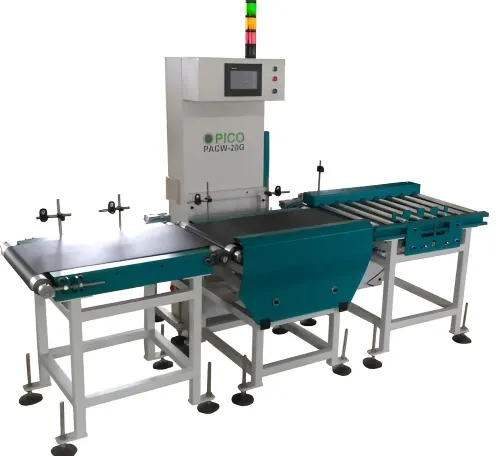
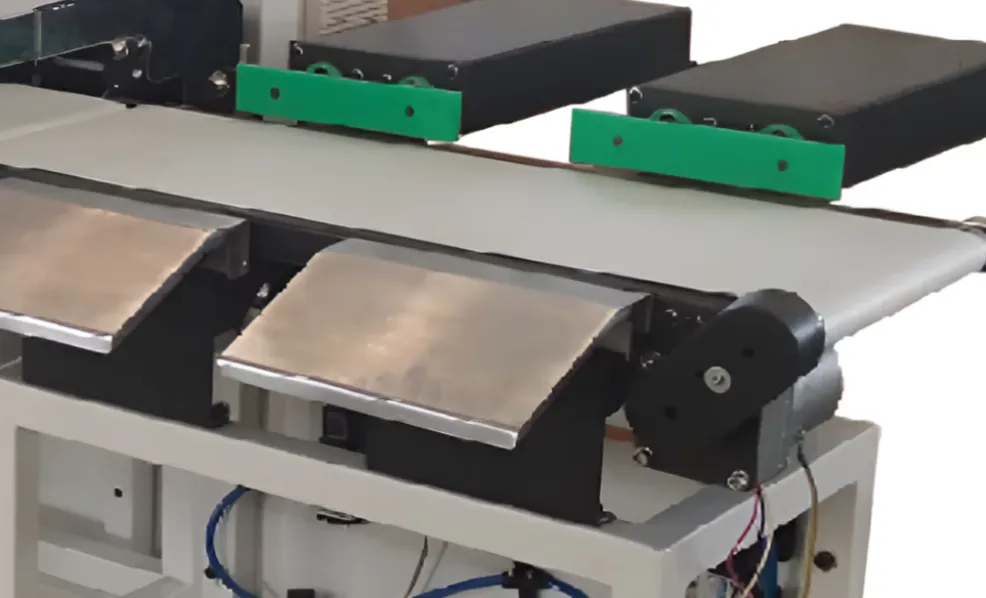
Dynamic checkweighing measures products while they move across a dedicated weighing conveyor. Sensors, load-cell technology, control software, and product-tracking logic work together to capture and classify each weight.
The result is a substantial difference in inspection capacity. Static checks generally cover selected samples, while dynamic equipment can assess products continuously.
When Static Weighing Is Practical
A static scale may be appropriate when:
- Production volume is low
- Products are handled individually
- Only periodic verification is required
- Laboratory-level checks are being performed
- The item cannot travel safely on a conveyor
- Operators need a simple standalone station
The equipment is usually easier to purchase and position. However, labour requirements rise when many products must be checked, and manually transferring readings can introduce documentation errors.
When Dynamic Checkweighing Adds Value
Dynamic equipment is more suitable when the production line operates continuously and every pack requires weight classification. It can identify non-conforming products and trigger automatic rejection without regular operator intervention.
Applications include packaged foods, pouches, bottles, cartons, pharmaceutical packs, FMCG products, and industrial components.
For facilities in Coimbatore producing at medium or high volumes, the technology can improve inspection consistency while avoiding a manual weighing bottleneck.
Accuracy Must Be Viewed in Context
It is tempting to compare machines using only the smallest displayed increment. In practice, dynamic accuracy depends on several variables:
- Conveyor speed
- Product spacing
- Weight and dimensions
- Packaging stability
- Belt condition
- Environmental vibration
- Airflow around the weigh section
- Transition between conveyors
A static scale operates under calmer conditions and may achieve a more stable measurement. A dynamic system balances accuracy with throughput. The important question is whether it can maintain the required tolerance at the plant’s real operating speed.
Labour, Speed, and Process Control
Manual weighing requires someone to collect samples, place them correctly, read the result, document it, and respond to deviations. The method can work well with disciplined procedures, but it does not automatically stop an incorrect pack from continuing downstream.
Dynamic systems provide immediate classification and can generate production statistics. Trends in average weight may also reveal an upstream filling issue before it causes substantial waste.
Cost and Return on Investment
Static scales usually involve lower initial expenditure. Dynamic checkweighers require greater investment because they include conveying, automation, sensors, controls, guarding, and rejection equipment.
The return should be assessed through reduced manual inspection, fewer missed defects, lower product giveaway, stronger traceability, and improved production flow. The higher-output the line, the easier it may be to justify automation.
Making the Right Selection
Pico Automation helps manufacturers examine product behaviour and conveyor conditions before specifying weighing equipment. For businesses in Tamil Nadu, access to engineering and integration support in Coimbatore can also simplify trials, installation, and future service.
Neither method is automatically better for every plant. Static weighing suits controlled, low-frequency measurements. Dynamic checkweighing becomes valuable when speed, total inspection, automatic rejection, and production data are priorities. A realistic line trial is the most dependable way to confirm whether the proposed configuration meets both accuracy and throughput expectations.
Keywords