In- line Printer Integration
Description
To print crisp, legible text onto an item moving at high speeds without stopping the line, three core components must work together in a split-second handshake:
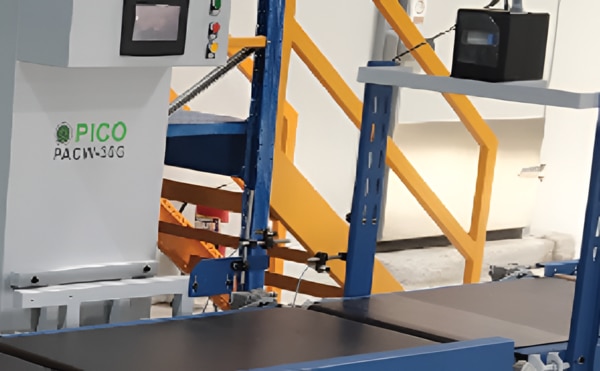
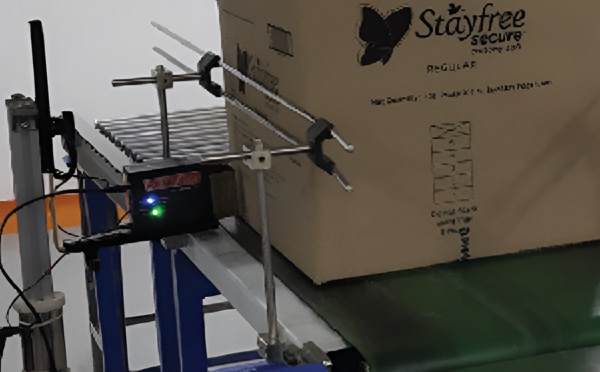
The Product Trigger (The Eye): A photoelectric sensor is mounted just ahead of the printhead. As a package or container moves down the conveyor, it breaks the sensor's light beam, signaling to the printer that an item has arrived.
The Speed Sync (The Encoder): Conveyor speeds can fluctuate slightly based on motor load or belt tension. To prevent printed text from stretching out or bunching up, a rotary shaft encoder tracks the precise mechanical speed of the belt and tells the printhead exactly how fast to fire its ink droplets.
The Print Execution: Combining the positional signal from the sensor and the speed data from the encoder, the printhead fires microscopic ink droplets across a precise air gap onto the moving product surface.
Common Mechanical Configurations
Depending on the packaging type and where the code needs to be placed, printhead mounting modules are integrated in a few distinct ways:
Top-Down Coding: The printhead is mounted on an adjustable vertical bracket pointing straight down. This is ideal for printing expiration dates onto bottle caps, jar lids, or the tops of box flaps.
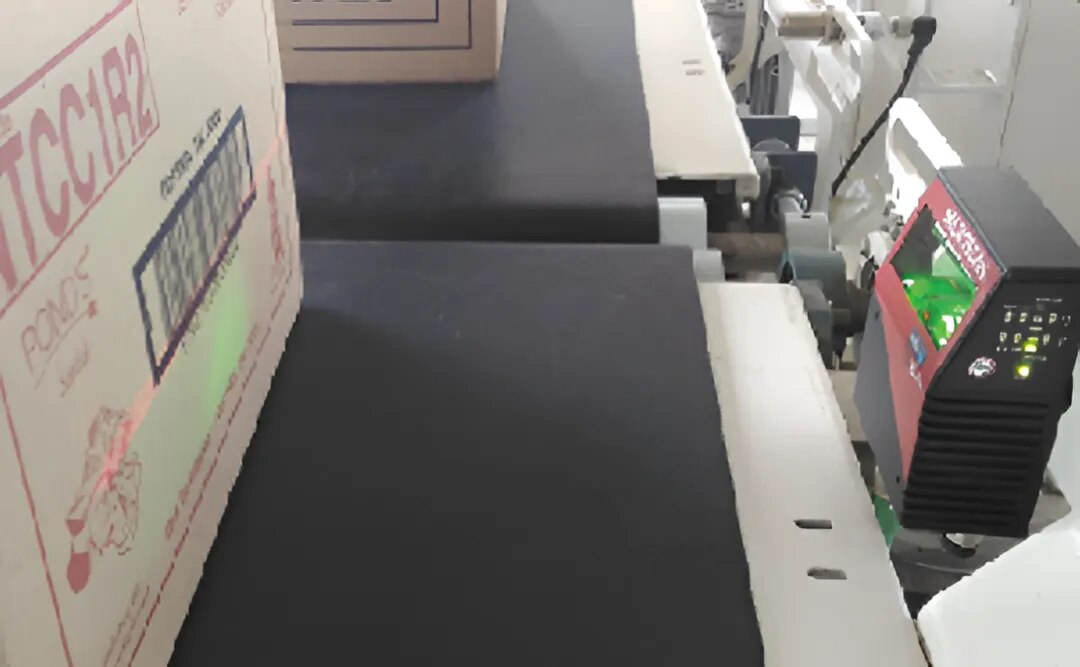
Side-Mount Coding: The printhead sits horizontally alongside the conveyor's guide rails. This is commonly used for printing batch codes or linear barcodes onto the sides of aluminum cans, beverage bottles, or cosmetic tubes.
Bottom Coding (Split Belt): The conveyor frame uses parallel side-grip belts to suspend the product, leaving a physical gap underneath. A printhead faces upward from below the line to spray tracking codes on the indented bottoms of aerosol cans or plastic jars.
Key Technical Advantages
High-Speed Execution: Products never need to pause or slow down to receive a stamp. Advanced inline integrations can print clear text at line speeds exceeding hundreds of units per minute.
Dynamic, Variable Data: Because the printer is linked to a central control system or an upstream checkweigher, it can change the printed text instantly from product to product—such as printing sequential serial numbers, shifting time stamps, or exact weights.
Elimination of Human Error: Centralized PLCs can push data changes directly to the integrated printer. When an operator switches the product recipe on the main touchscreen, the printer's message updates automatically, eliminating typos.
Primary Applications
Inline printer integrations are critical in fast-moving consumer goods (FMCG), pharmaceutical, and food sectors where traceback tracking is legally mandated:
Food & Beverage: Spraying “Best Before” dates and batch numbers directly onto snack pouches, milk cartons, or egg boxes immediately after filling.
Pharmaceuticals: Printing anti-counterfeit serialization codes, manufacturing dates, and 2D data matrix codes onto individual medicine boxes or blister packs.
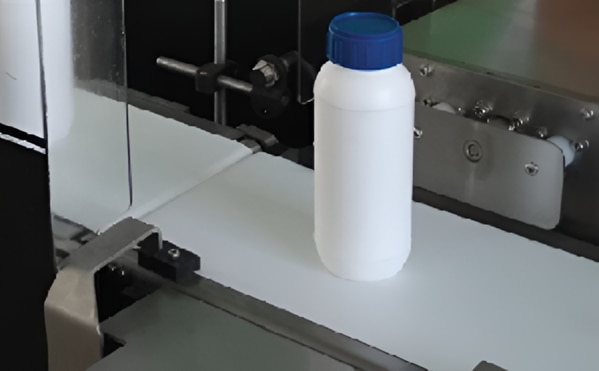
Chemicals & Industrial: Marking lot numbers and regulatory tracking symbols onto plastic jugs, oil canisters, or consumer cleaning products.