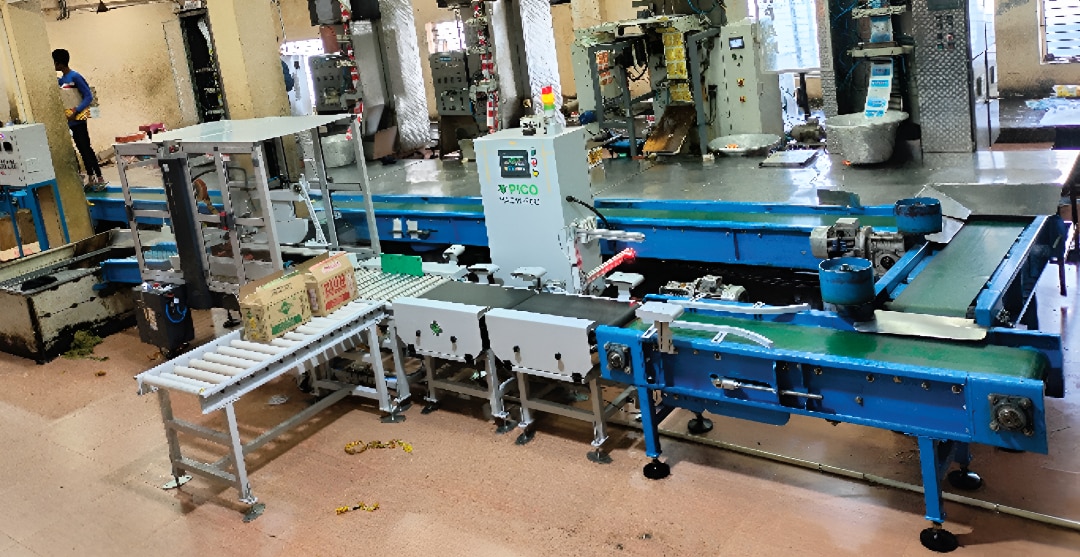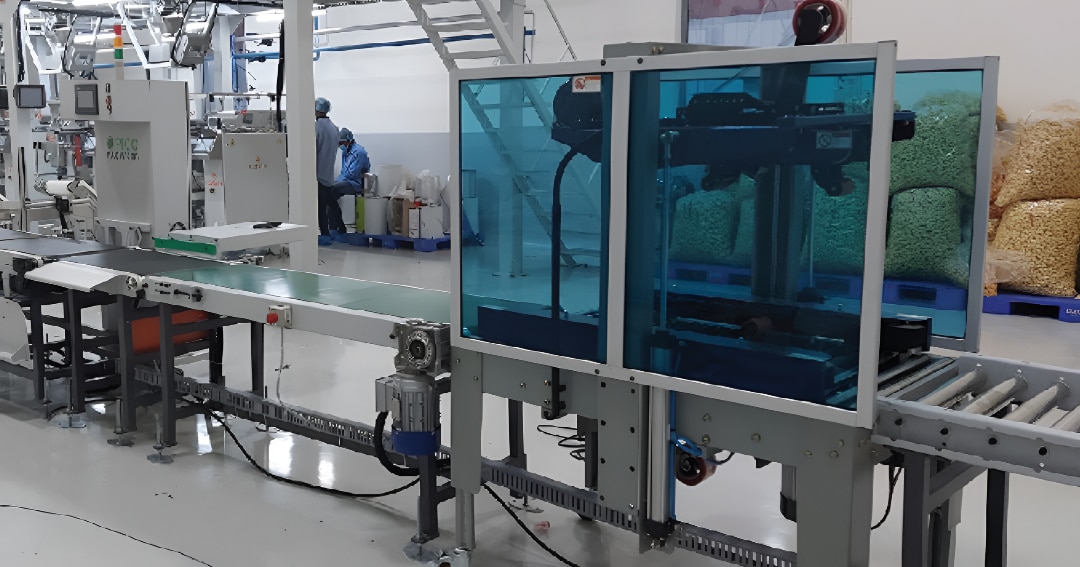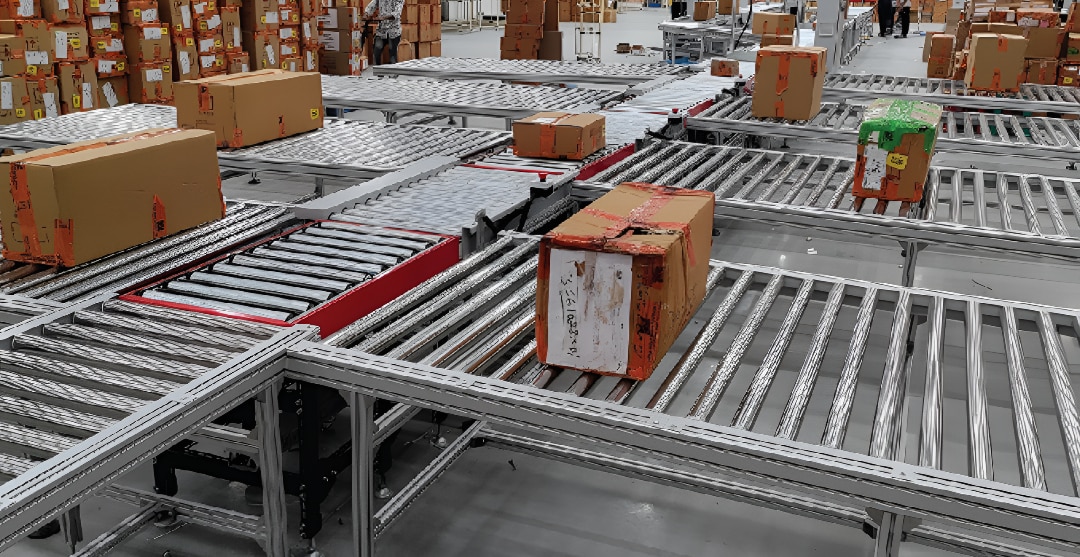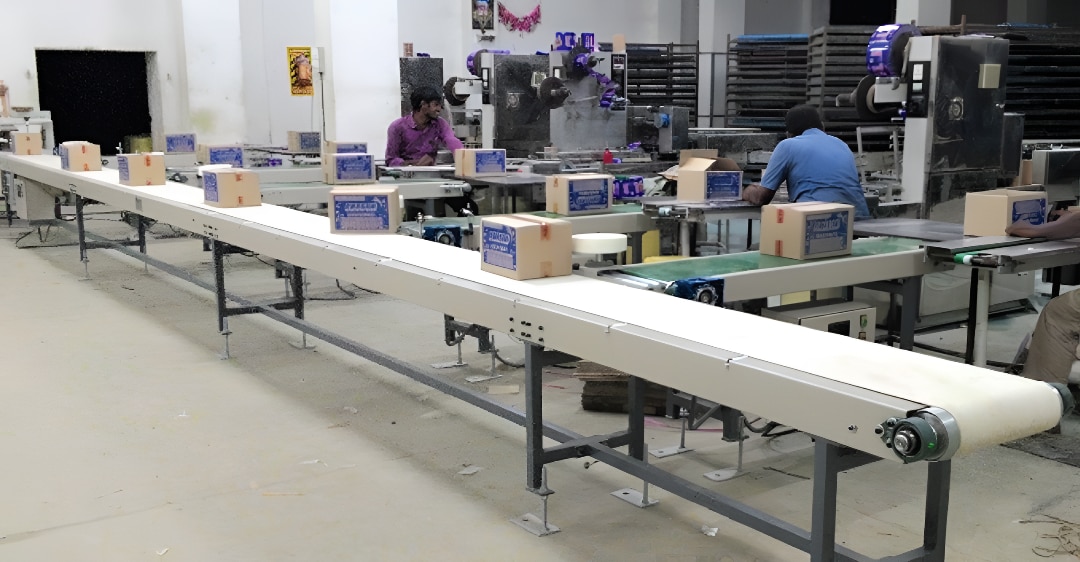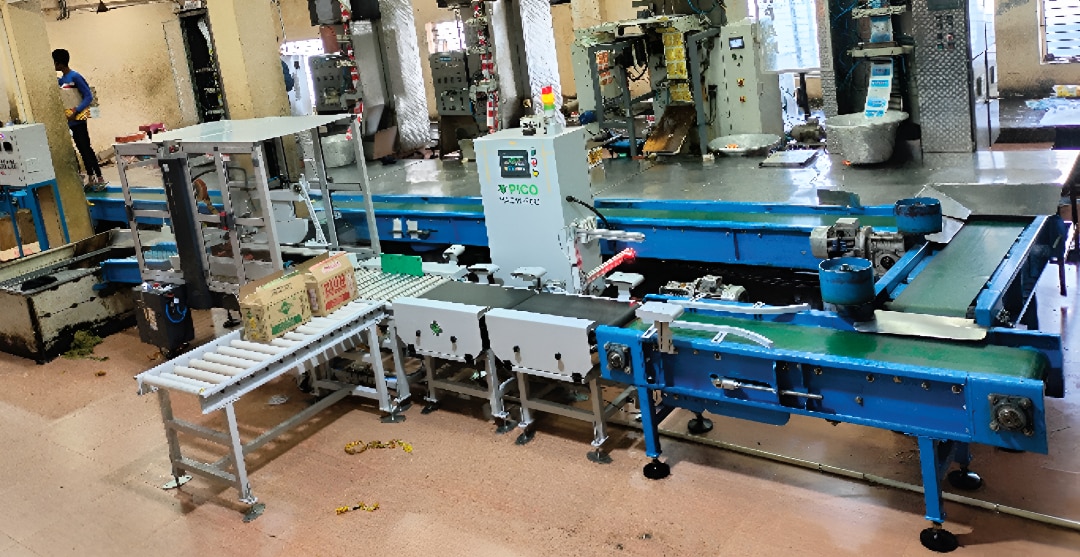
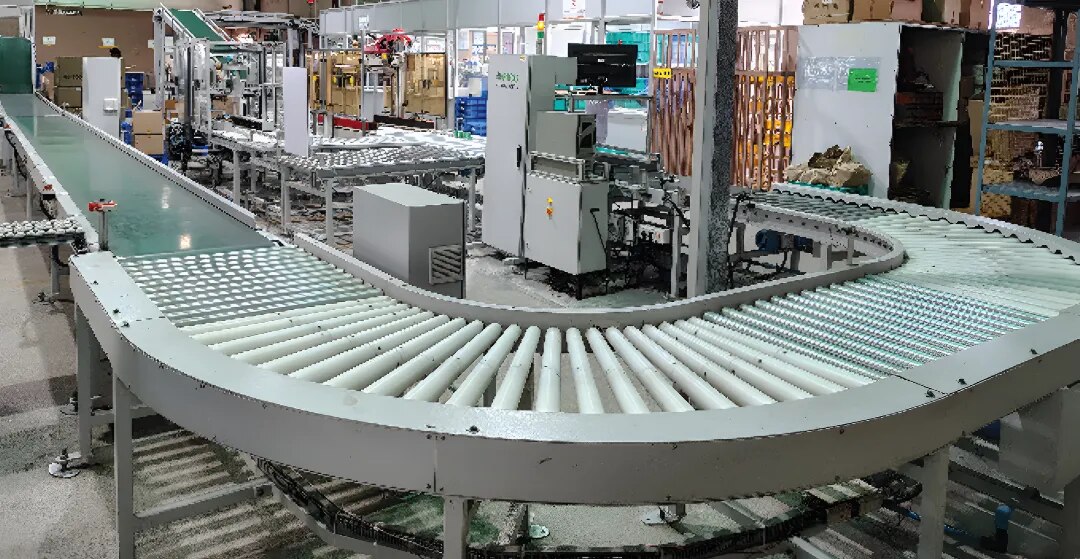
Factory Automation Projects
Description
A successful factory automation project follows a rigorous engineering lifecycle:
1. Assessment & Feasibility (The Scope)
Engineers analyze the existing manual process to identify bottlenecks, safety hazards, or high-waste areas. The team calculates the ROI (Return on Investment) and determines what level of automation is appropriate (e.g., introducing a single robotic arm vs. overhauling an entire assembly line).
2. System Design & Simulation
Before buying any hardware, controls engineers design the system's architecture. They create electrical schematics, fluid power diagrams, and utilize Digital Twin technology—3D computer simulations that mimic the factory floor to test how machines, conveyors, and robots will interact without risking physical damage.
3. Procurement & Fabrication
Once designs are approved, components are ordered or custom-built.
Control Panels: Engineers build the physical electrical enclosures housing the processors, circuit breakers, and power supplies.
Mechanical Tooling: Custom end-of-arm tools (grippers, welding torches, suction cups) are fabricated for the robots.
4. Integration & Programming
This is where the machine comes to life. Programmers write the code that instructs the machines how to behave. They configure the centralized controllers to talk to sensors, motors, safety light curtains, and database systems seamlessly.
5. Commissioning & Testing
The system is assembled on the actual factory floor. Engineers run FAT (Factory Acceptance Testing) and SAT (Site Acceptance Testing). They slowly ramp up production speeds, iron out software bugs, train operators, and hand over the live system to the manufacturing team.
The Automation Pyramid (The Technology Stack)
Every automation project implements a multi-layered technology stack, often visualized as a pyramid. A project ensures that data flows smoothly up and down these layers:
Level 0: Field Level (The Muscles): The physical hardware doing the work—actuators, electric motors, pneumatic cylinders, and proximity sensors.
Level 1: Control Level (The Brains): PLCs (Programmable Logic Controllers) that read sensor data and instantly tell the motors when to start or stop.
Level 2: Supervisory Level (The Eyes): HMI (Human-Machine Interface) touchscreens and SCADA systems that allow plant operators to monitor the entire line, track metrics, and spot alarms visually.
Level 3: Operational Level (The Managers): MES (Manufacturing Execution Systems) software that tracks raw materials as they turn into finished goods and schedules machine tasks.
Level 4: Enterprise Level (The Business): ERP (Enterprise Resource Planning) systems that handle high-level corporate data, logistics, and sales tracking.