Dual Rejection Option
Description
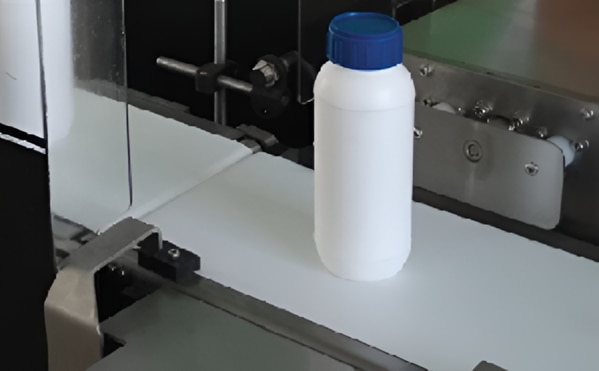
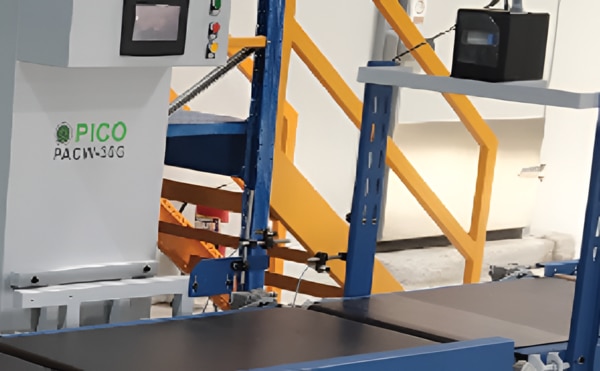
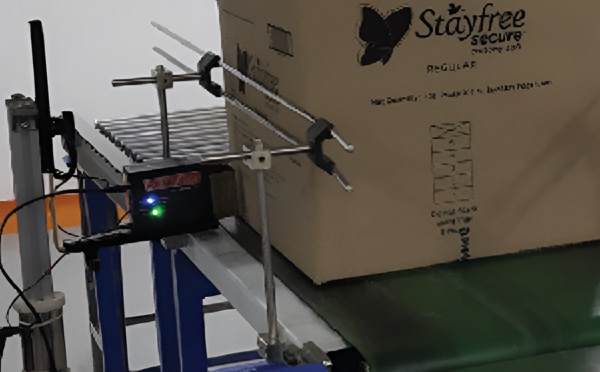
As products move rapidly down the conveyor line, they pass through a continuous assessment and sorting loop:
Precision Weighing: The product passes over the dynamic weighing bed, and its weight is calculated in milliseconds.
Tri-Zone Categorization: Instead of a simple Pass/Fail system, the central PLC categorizes the product into one of three distinct zones:
Underweight: Below the acceptable threshold.
Acceptable (Pass): Perfect target weight.
Overweight: Above the acceptable threshold.
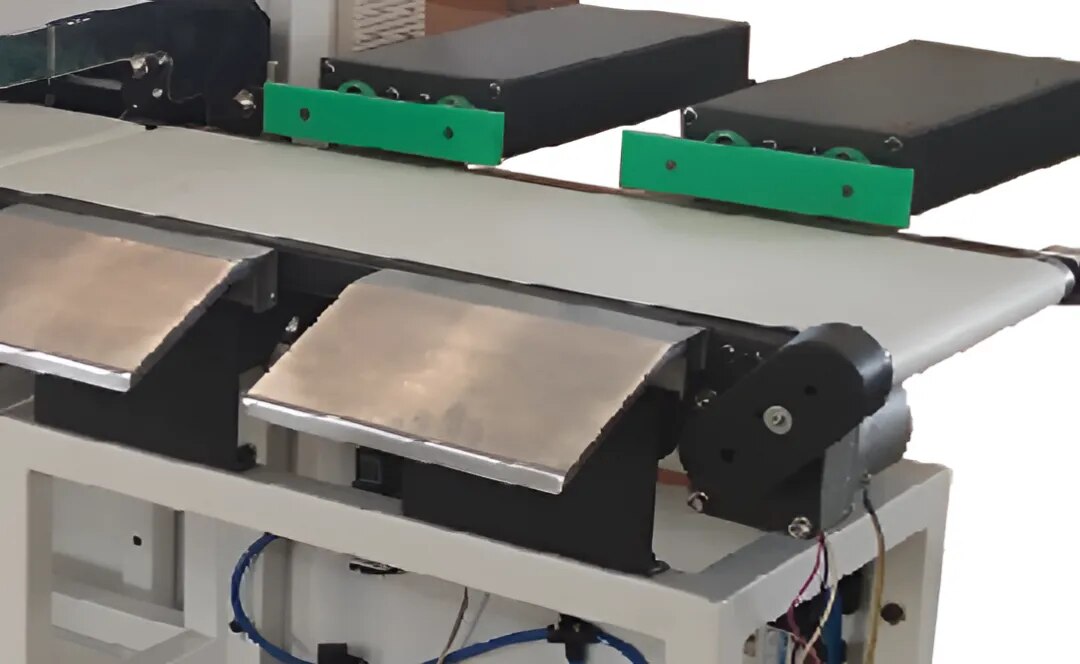
Targeted Routing: As the items move past the weighing deck, the conveyor triggers the appropriate mechanical response:
Underweight items hit the First Rejector and slide into Bin A.
Overweight items hit the Second Rejector and slide into Bin B.
Correctly weighted items bypass both gates entirely and proceed down the main line toward final packaging.
Common Mechanical Configurations
Depending on the size, weight, and fragility of the product, the dual rejection system will utilize two identical or mixed mechanical components:
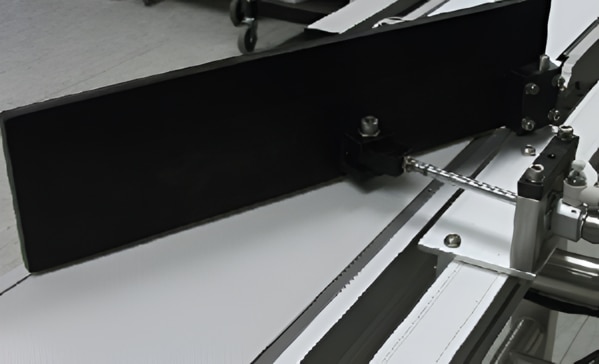
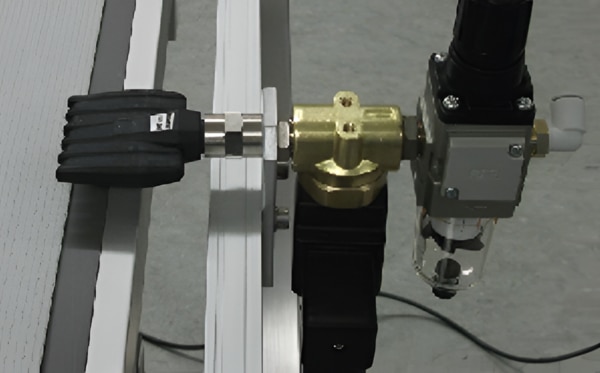
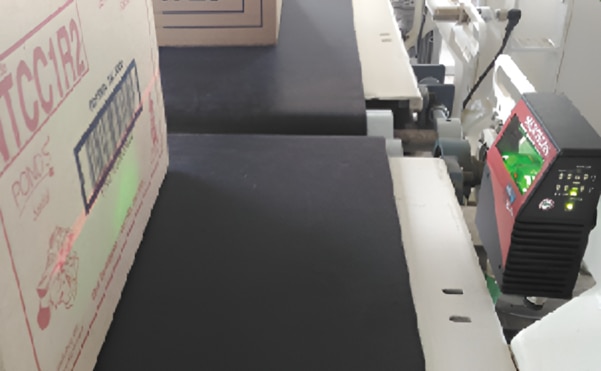
Dual Pneumatic Pushers: Heavy-duty pistons fire outward to quickly shove bulk meat packs, frozen chicken blocks, or heavy cardboard boxes off the line into separate side chutes.
Dual Flipper / Sweeper Arms: Fast-acting plastic gates swing smoothly across the belt to guide fragile items (like individual raw fish fillets or delicate bakery trays) without tearing or bruising them.
Dual Air Jets: High-speed blasts of compressed air blow lightweight items (like snack pouches or pharmaceutical blister packs) into separate bins at incredibly high line speeds without physical contact.
Key Technical Advantages & Why Processors Use It
1. Reworking vs. Scrap Disposal (Cost Savings)
In food and manufacturing lines, overweight and underweight products require completely different corrective actions:
Underweight items can simply be sent back to a manual station to have more product added (rework), saving it from being wasted.
Overweight items represent a profit drain (“product giveaway”) and must be trimmed down to protect profit margins.
Separating them automatically saves production teams from having to manually sort through a mixed error bin by hand.
2. Upstream Machine Diagnostics
A dual rejection system acts as an early warning diagnostic tool for upstream filling or portioning machinery:
If the Underweight Bin fills up rapidly, it signals to operators that an upstream filling nozzle is clogged or a cutting blade is wearing thin.
If the Overweight Bin fills up, it indicates an upstream pump or filler valve is over-dispensing.
3. Strict Compliance Guardrails
In pharmaceutical or high-precision packaging, the dual system can be programmed to treat errors with different levels of severity. For example, a minor overweight item might go to a rework bin, while an underweight carton (potentially missing an internal medication vial or component) is routed to a secure, locked reject bin for mandatory quality investigation.