Conveyor Layouts
Description
Most industrial systems utilize one or a combination of these four foundational flow patterns:
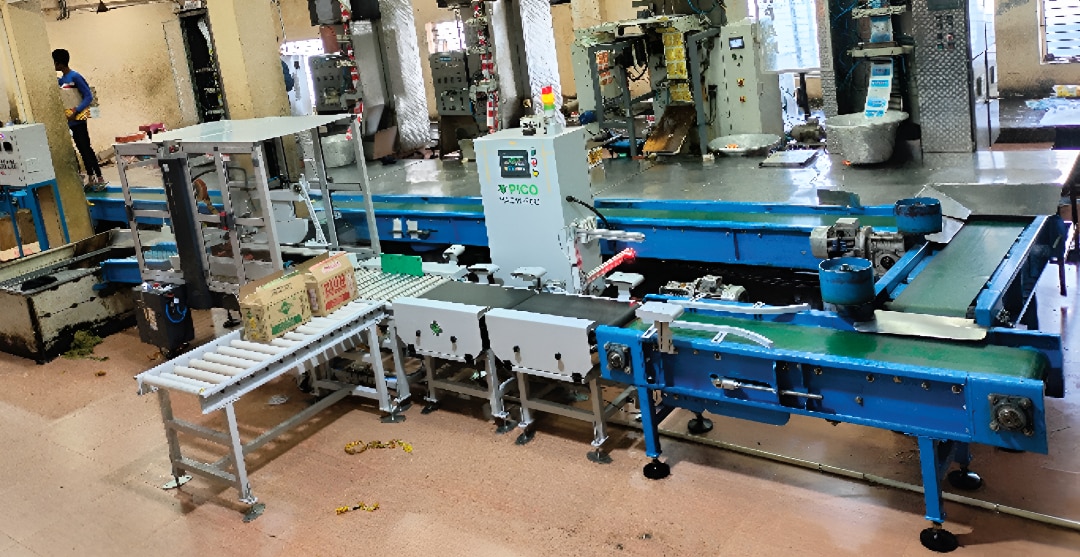
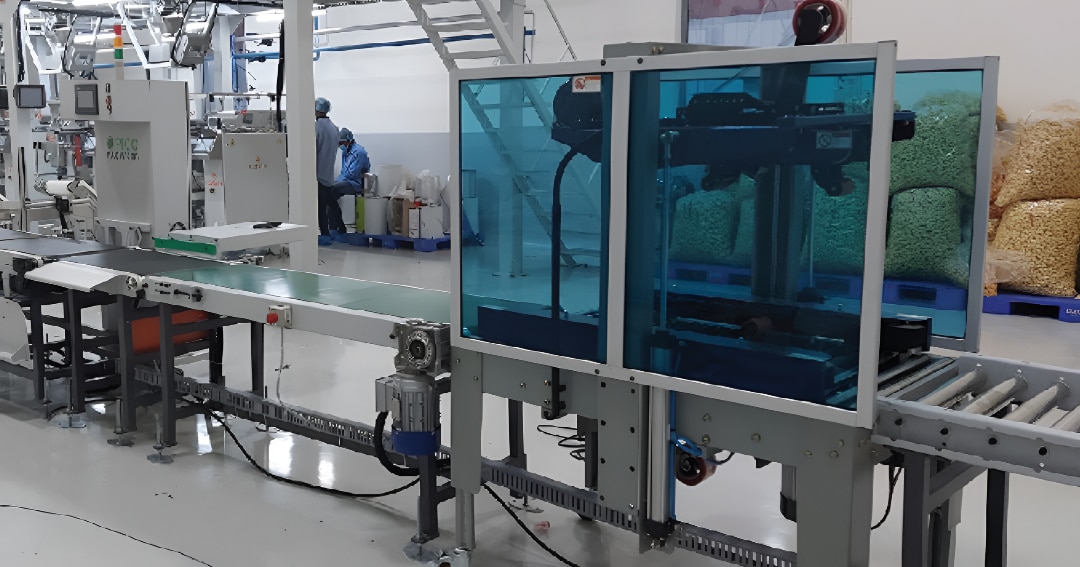
1. Straight Line Layout (I-Shape)
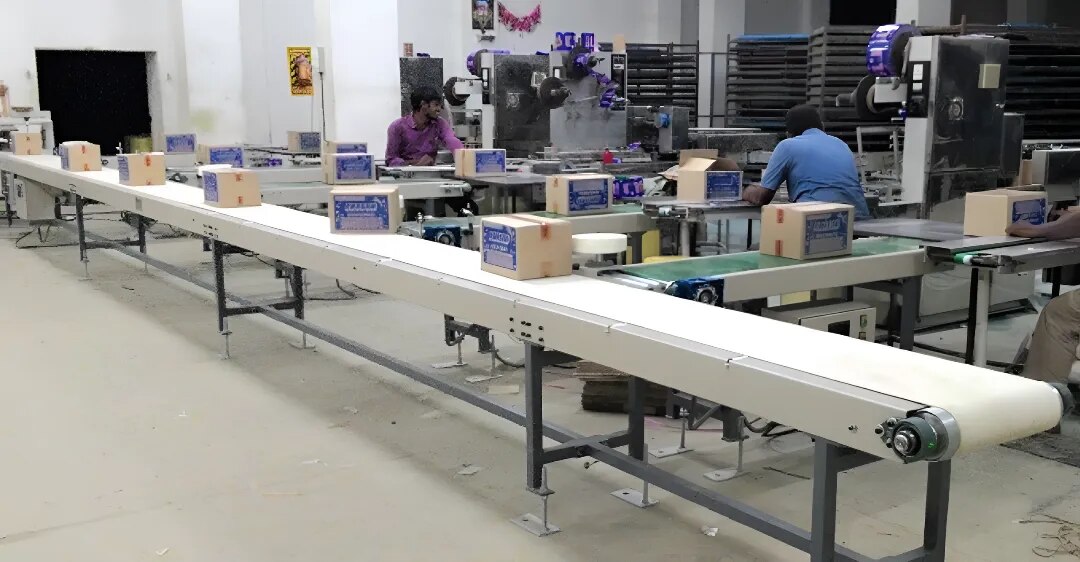
The simplest and most direct configuration. Products enter at one end, move through sequential workstations or processes, and exit at the opposite end.
Best For: Simple assembly lines, inline inspection, washdowns, and high-speed packaging.
Pros: Highly economical, straightforward to install, and easily scalable.
Cons: Requires a long, uninterrupted footprint and lacks buffering flexibility.
2. U-Shaped Layout
The conveyor forms a loop, bringing the end of the production line right back near the beginning.
Best For: Lean manufacturing cells, order picking, and environments where space is premium.
Pros: Incredible space efficiency. It allows a single operator to manage both the loading (input) and unloading (output) stations, drastically reducing labor movement.
Cons: Can create physical bottlenecks if the center of the “U” becomes too crowded with parts bins or tooling.
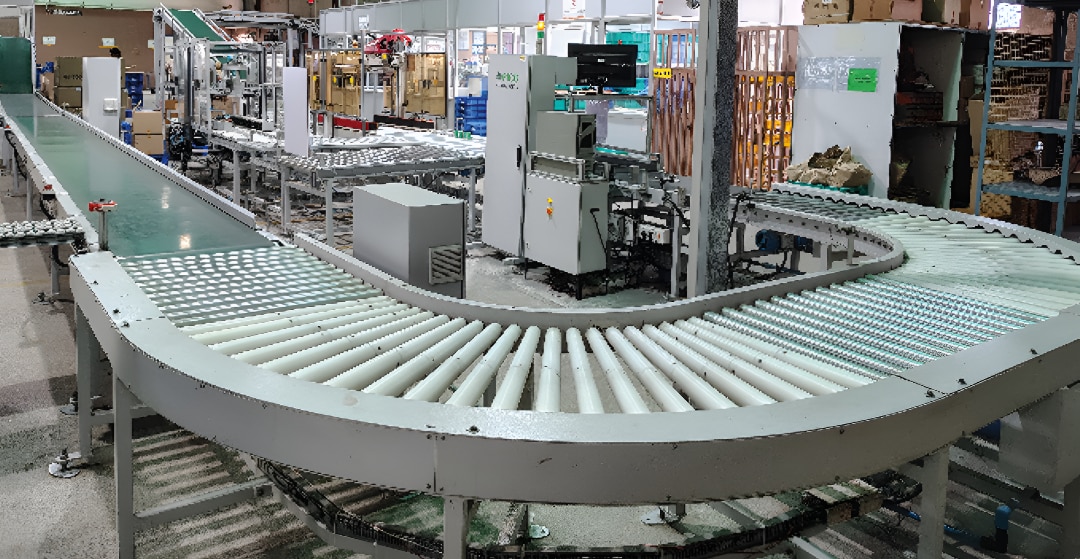
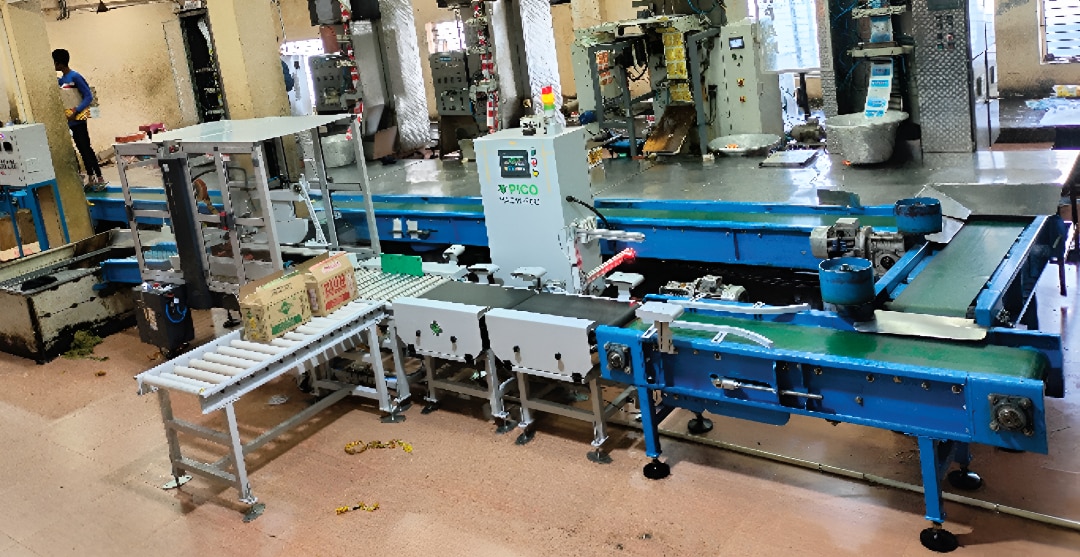
3. L-Shaped Layout The line runs straight and then makes a sharp $90^circ$ turn, usually to navigate around building pillars, walls, or existing machinery.Best For: Transitioning products from a primary manufacturing line over to a secondary packaging or shipping area.Pros: Excellent for bypassing architectural obstacles and utilizing tight corner spaces.Cons: Requires specialized turn modules (like tapered roller curves or 90-degree transfer units) which add mechanical complexity.
4. Closed Loop Layout (O-Shape / Carousel)
A continuous, never-ending track where carriers or products circulate indefinitely until diverted.
Best For: Powder coating lines, garment sorting, and Track Chain Conveyors running overhead.
Pros: Allows products to stay on the line for extended periods (e.g., cooling down or curing in an oven) without stopping the rest of the factory.
Cons: Requires precise tracking software to know exactly where an item is along the continuous loop.
Critical Functional Elements within a Layout
A functional layout is rarely just a single track; it relies on smart intersecting zones to control traffic:
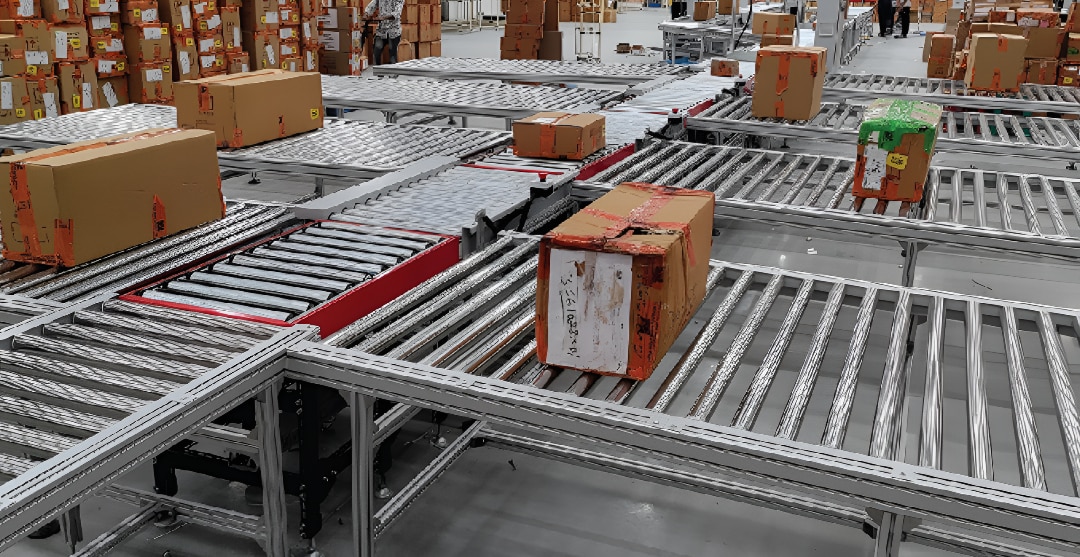
Merges: Where two or more conveyor lanes feed into a single main line. This requires traffic-cop logic (photo-eye sensors or mechanical gates) to prevent boxes from colliding.
Diverts / Sortation: High-speed paddles, pushers, or pop-up wheels that instantly redirect specific items onto different sub-lanes based on barcodes or weight.
Accumulation Buffers: Dedicated straight zones designed to temporarily store products when a downstream machine pauses. This keeps the upstream factory running smoothly without a total system shutdown.
Vertical Elevation Changes: Utilizing inclines, declines, or spiral continuous lifters to move goods up to mezzanines or down to floor level, reclaiming valuable overhead air space.